Bonfire Night Hazards for Cats: Fireworks, Smoke and Party Food
Part of: Foods toxic to cats · Household toxins for cats
Bonfire Night is 5 November. The fortnight before it is when fireworks come home, food appears in back gardens, and smoke sits over British streets. Cats do not enjoy it. Most of the harm is panic and escape — plus a short list of toxins that arrive with the party. Use this page as the seasonal brief, and keep the emergency checklist ready if something is eaten in the dark.
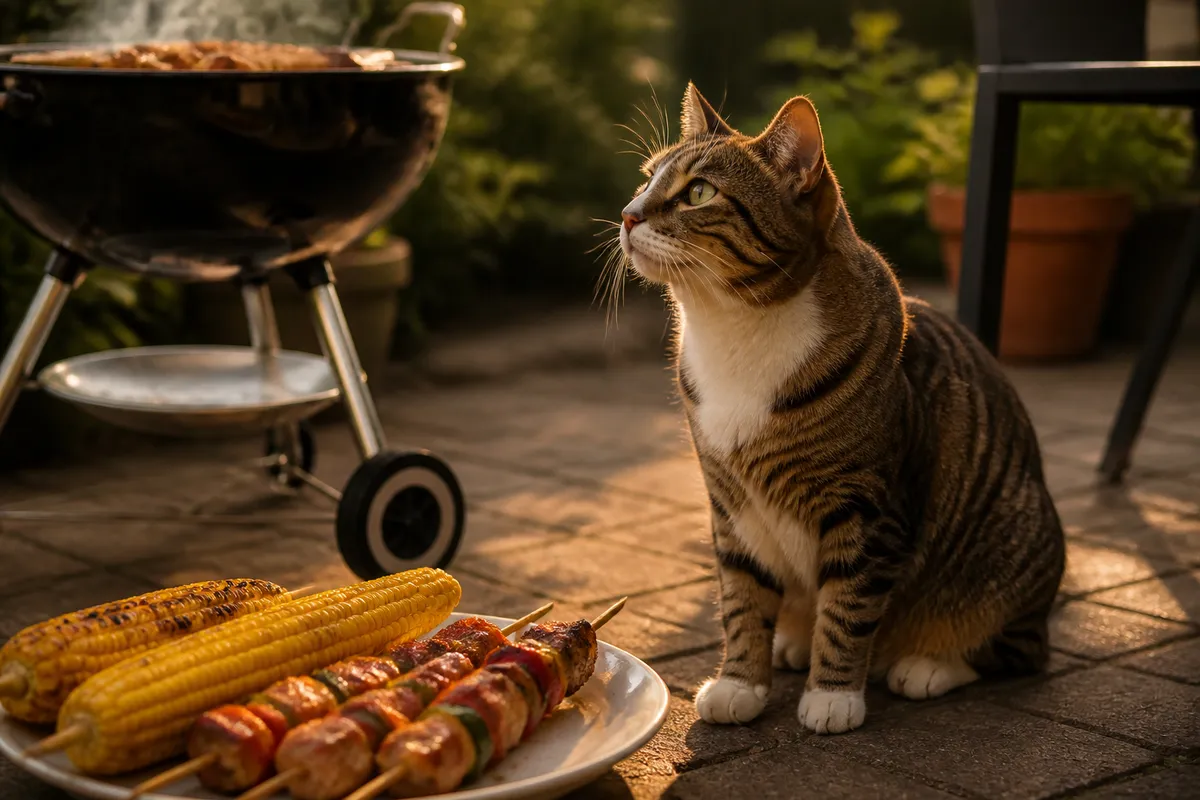
Keep cats in before dusk on fireworks nights
Microchip details must be current. Provide a hiding place. Do not walk them on a lead “to get used to it”. If they vanish, search before you assume they will come back at breakfast.
Smoke, sparks and the bonfire itself
Bonfires throw sparks and can hide treated wood, painted pallets, and plastics that produce irritating smoke. A cat that runs through smoke may cough, stream at the eyes, or vomit. Serious smoke inhalation is a veterinary emergency — not a “fresh air will fix it” if they are struggling to breathe. Neighbourhood bonfires also hide leftover BBQ hazards: cooked bones, skewers, alcohol. See summer BBQ hazards — November just adds darkness.
Fireworks, sparklers and spent canisters
Unspent fireworks contain oxidisers and fuels you do not want in a mouth. Spent casings are still chemical residue plus cardboard a cat may shred. Sparklers burn. If a cat chews a box from the garden table, treat it like an unknown chemical ingestion: do not induce vomiting, call the vet, take the packet. For the general “unknown garden chemical” frame, garden chemicals is the closest sibling page.
Party food: toffee apples, chocolate, alcohol
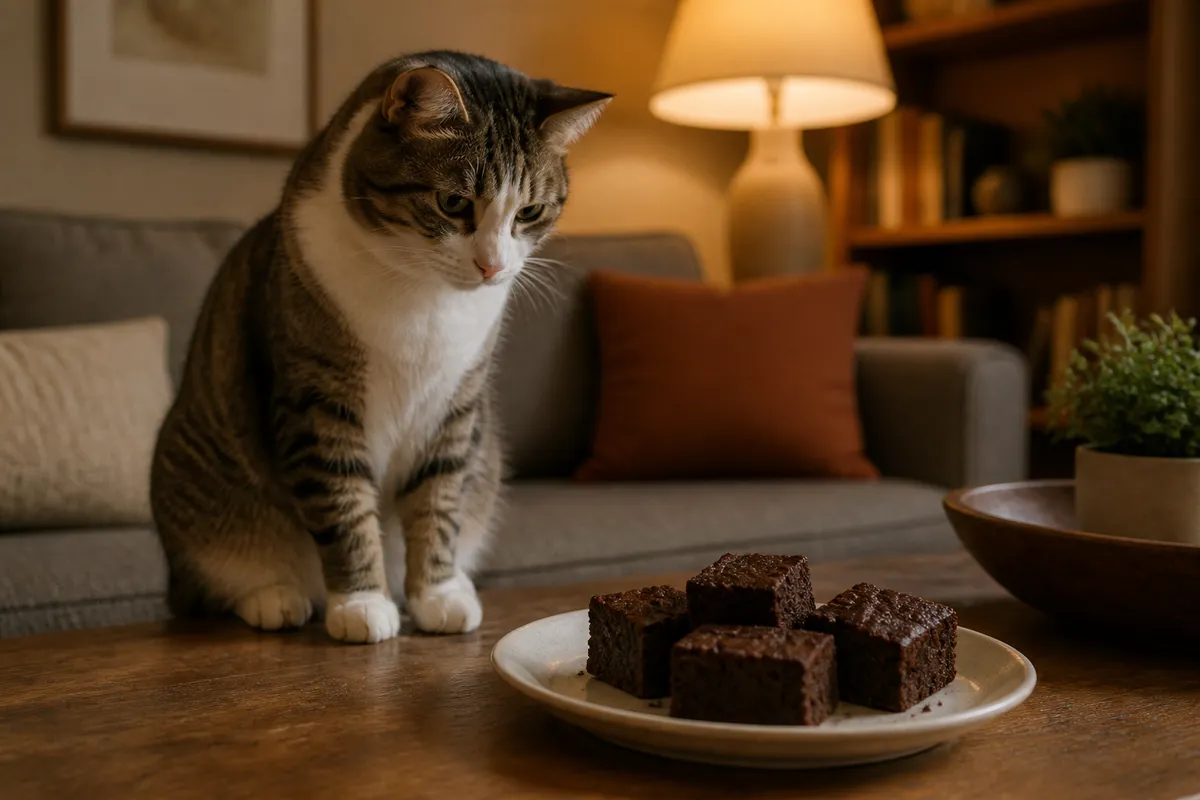
Toffee apples are sugar plus a stick — choking and foreign body. Chocolate is still chocolate. Mulled wine, beer, and rum cake are ethanol. Onions in burgers and leftover bones from the fire pit complete the set. Link those to chocolate, alcohol, and cooked bones rather than repeating those full guides here.
Glow sticks and “party” extras
Glow jewellery at fireworks displays is the same drooling, bitter-tasting liquid we already flag in small household items. Batteries in light-up toys remain the serious one. Face paint and fake blood follow the Halloween decoration rules.
A practical Bonfire Night plan
Bring cats in before dusk. Close cat flaps. Draw curtains. Provide a covered hide. Check the garden at first light for casings, food, and skewers before you let them out. If they eat something unknown, follow what to do if your cat ate poison and describe signs using poisoning symptoms.
Should I give a calming supplement?
Do not give human relaxants, essential-oil rubs, or unvetted “calming” drops. Ask your vet well before the night if your cat has a history of firework terror. Last-minute internet products are how extra toxins arrive.
The week before 5 November
Fireworks are not only one night. Displays leak across the nearest weekends. Start the indoor routine when you hear the first distant bangs, not when the official display starts. Update microchip contact details now. Put a collar with a current phone number on only if your cat already wears one safely — never a new tight collar as a panic measure.
If your cat is indoor-only, they still hear it. Provide hiding space. Ignore advice to “comfort them constantly” if that winds them up — sit nearby, keep the house ordinary, skip the party in their room. Neighbours’ food and spent fireworks still appear in your garden on the 6th. Walk it before the flap opens.
Public displays versus back-garden fireworks
A municipal display keeps explosives off your lawn but not noise out of your house. Back-garden fireworks add fallout: sticks, cardboard, chemical smell, and guests who leave gates open. If you host, the cat plan is the same as Halloween: a closed room, a sign on the door, no “they’ll be fine in the garden”.
Frequently asked questions
- Should cats go out on 5 November?
- No. Keep them in before dusk. Provide a hiding place. Do not walk them to acclimatise.
- What food hazards come with the party?
- Toffee apples, chocolate and leftover bones are named alongside smoke and spent fireworks.
- What if they vanish?
- Search before you assume they will come back at breakfast. Microchip details must be current.
- Are spent fireworks poisonous?
- They are part of the hazard list. If debris was chewed, call your vet rather than guessing the composition.
Sources
Authoritative organisations that cover this topic. These links open their public poison-control or toxicology pages, not a specific diagnosis for your cat.