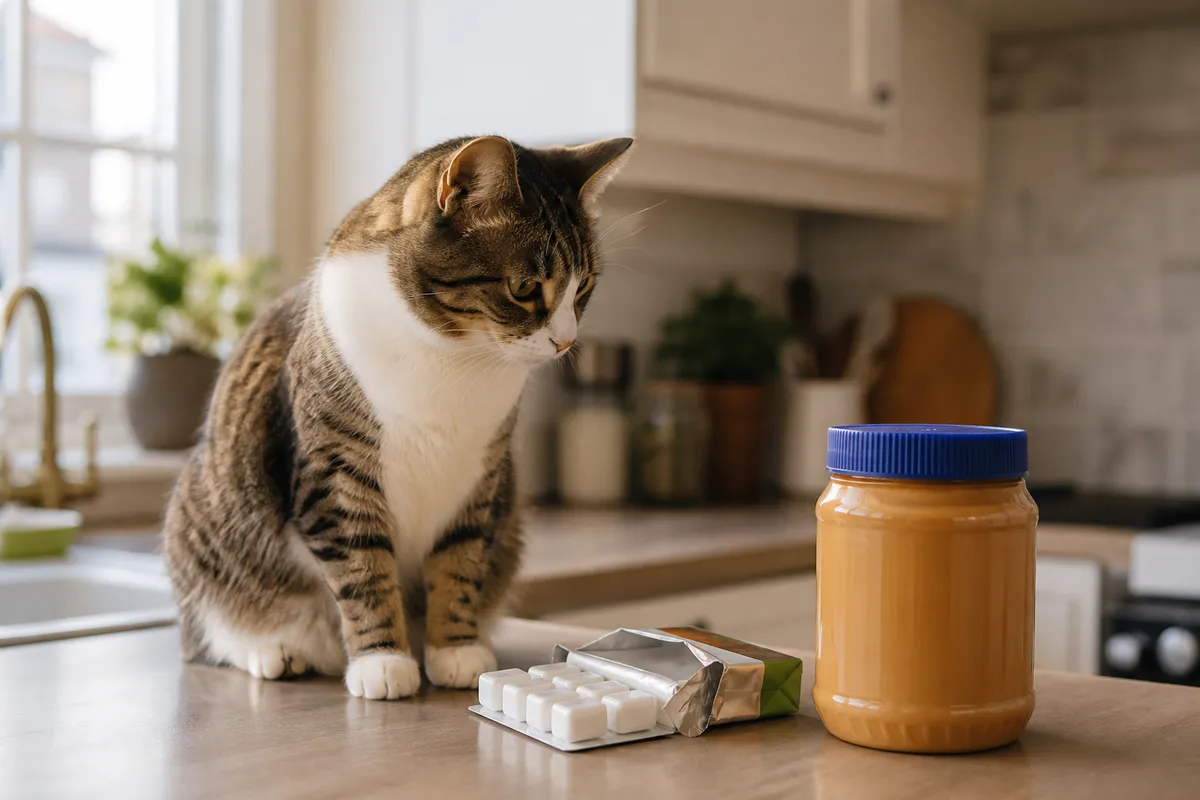
Edibles on the coffee table, crumbly resin, or a smoky room can all involve cats who never meant to "partake". If you are asking is cannabis toxic to cats, yes — THC and related compounds can cause serious neurological and gastrointestinal signs, and edible recipes often hide extra toxins.

Edibles are the highest everyday risk
Brownies, gummies, and baked goods concentrate THC and may also contain chocolate, raisins, xylitol, or high fat. If your cat ate an edible, call a vet now and take the packaging with you.
How cannabis affects cats
Cats can become wobbly, unusually quiet or strangely vocal, dilated-pupil, sensitive to touch, or incontinent after exposure. Vomiting, drooling, and a slow or altered response to the room are common themes. Severe cases can involve profound sedation or agitation. You cannot "walk it off" — veterinary assessment decides whether monitoring, fluids, or other support is needed.
Signs may appear within a few hours of ingestion and can last longer than owners expect. Keep your cat in a quiet, safe room while you arrange care so they cannot fall downstairs or hide somewhere inaccessible. Dim lights and soft voices help if your cat seems oversensitive to touch or sound while you wait for travel.
Edibles: THC plus chocolate, xylitol, and fat
Homemade and shop-bought edibles are a perfect storm. Chocolate adds theobromine risk; sugar-free gummies may include xylitol; dense butter and oil bases upset digestion. Even if THC were the only concern, portion sizes meant for adults are huge relative to a 4 kg cat.
- Gummies and sweets: Bright, chewable, easy to bat under the sofa — treat like medicine.
- Brownies and cookies: Chocolate and high fat on top of cannabis compounds.
- Butter and oils: Spills on chopping boards get licked during night-time kitchen tours.
Tell the clinic about every likely ingredient, not only cannabis. A brownie that also contains chocolate or raisins changes monitoring priorities. Photograph labels or recipes if you have them.
Smoke and second-hand exposure
Cats in poorly ventilated rooms can inhale smoke or vapour and groom residue from fur. Outdoor use away from pets is kinder than filling a small lounge. If your cat seems sedated or wobbly after a gathering, mention possible smoke exposure when you phone the clinic — details help triage even when you are unsure how much was inhaled versus licked. Open windows after gatherings and wipe low surfaces before cats return to the room.
Plant material and concentrates
Dried flower, resin, and high-strength concentrates left in bags or grinders are chew targets. Store everything in scent-proof, latched containers on high shelves — not in open tins on the coffee table. Guests should keep products in bags, not on the floor. Vacuum crumbs after rolling or preparing edibles; cats investigate sticky residue on rugs.
Be honest with your vet — it changes care, not judgement
Clinics need accurate information to treat safely. Saying "they may have eaten a brownie with cannabis" lets the team watch for the right complications and avoid unnecessary delays. Veterinary staff focus on stabilising your cat; honesty is part of good care, not a confession booth. Follow the practical steps in what to do if your cat ate poison while you travel.
Legal context does not change biology
Whatever the legal status of cannabis products where you live, cats still cannot process human recreational doses. Storage and supervision matter more than labels on the jar.
What treatment may involve
Depending on timing and signs, vets may recommend decontamination, monitoring, fluids, temperature support, and blood tests. Do not give human "remedies" or induce vomiting at home. Our overview of how vets treat cat poisoning explains the clinic-side process so the visit feels less mysterious when you arrive stressed.
Prevention at home
Treat edibles like medication: sealed, labelled, and out of reach. Do not leave "just one" gummy on a side table. After parties, check under sofas for dropped sweets before cats do their own inventory.
If several people in the home use cannabis products, agree a shared storage rule so responsibility does not fall through the cracks. One latched box beats three open tins in different rooms. The same discipline that keeps human medicines safe works here — cats are opportunistic, not judgmental. Guests should hear the rule before bags hit the floor.
Frequently asked questions
- Will my cat get permanently harmed from one edible?
- Outcomes depend on dose, other ingredients, and how quickly care starts. Many cats recover with prompt support, but edibles are never "safe enough to wait and see".
- Is CBD oil safe for cats?
- Do not give human CBD products without veterinary direction. Strengths vary, some products contain THC, and flavoured oils may include other risky ingredients.
- Should I make my cat vomit after an edible?
- No, not unless a vet specifically instructs you. Home vomiting attempts are dangerous. Get professional advice instead.
- What should I do if my cat was just exposed?
- Call your vet or an emergency clinic with the product or plant name, an amount guess, and the time. Do not induce vomiting unless a veterinary professional tells you to, and take the packaging with you if you travel in.
Sources
Authoritative organisations that cover this topic. These links open their public poison-control or toxicology pages, not a specific diagnosis for your cat.