Cat poisoning symptoms are easy to miss because cats hide illness. Drooling, vomiting, twitching, wobbliness, breathing trouble or collapse are reasons to call a vet now, and you should still phone after a known exposure even if they seem fine. This cat poisoning symptoms guide is a watch list and a timeline, not a diagnosis.
Some toxins show few early signs
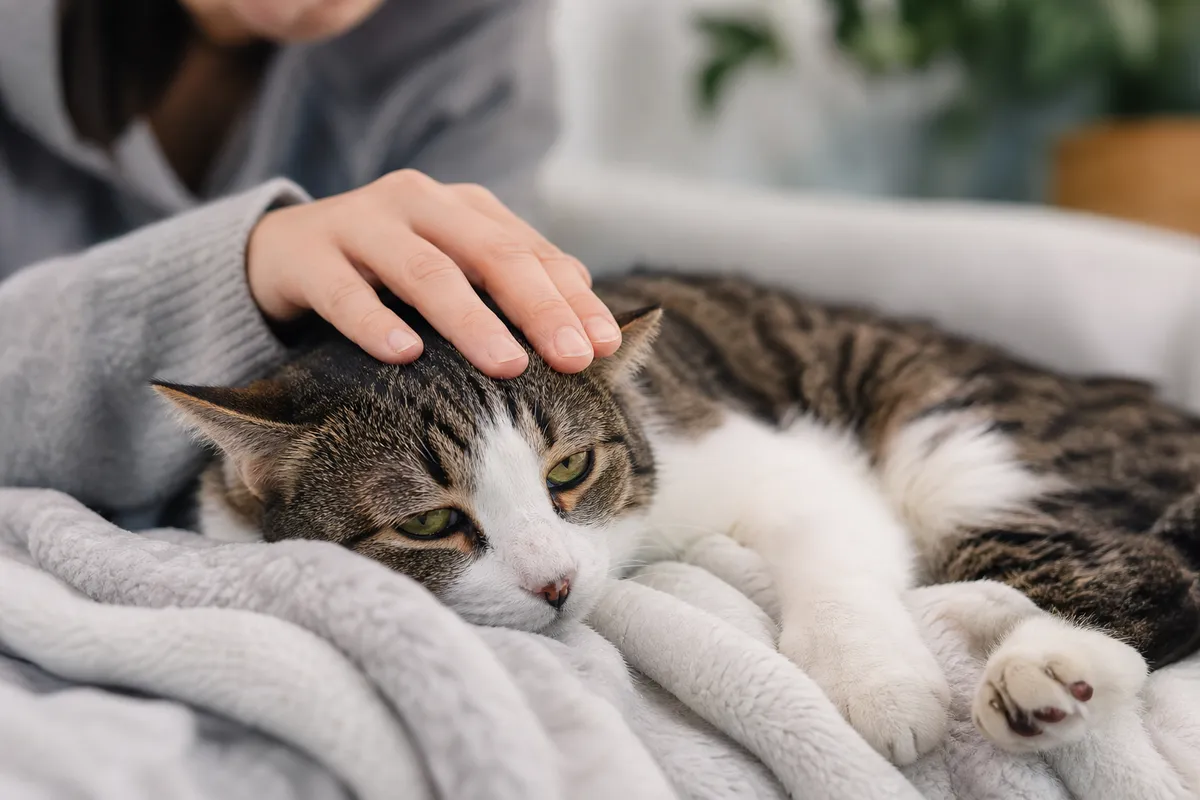
Lilies, antifreeze and paracetamol may cause minimal symptoms before organ failure. If you know your cat was exposed, call the vet even if they seem fine. Waiting for a 'perfect' symptom list can cost kidney or liver function.
How poisoning shows up in cats
Poisoning is not one illness. A lily, a painkiller, a splash of antifreeze and a dog flea pipette produce different pictures, on different clocks. Cats Protection notes that cats process chemicals differently, are small, and groom thoroughly, so they can ingest a toxin from their coat as well as from a bowl. Signs are not always obvious. Owners often notice 'not themselves' before a textbook tremor. That vague change is still worth a phone call if a toxin was available.
This guide sits in our household toxins for cats hub because most serious exposures at home are ordinary: medicines, cleaners, garage fluids, bait and plants. Food toxins such as chocolate and grapes have their own pages. Use the lists below to describe what you see. Do not use them as a reason to wait.
Symptom groups
Cats Protection groups the most common signs of poisoning in cats as follows. After a known exposure, treat them as data for the clinic, not as something to sleep on. Note the time each change began.
- Gut and appetite: salivation or drooling, vomiting, diarrhoea, and changes in appetite
- Nervous system: twitching and fitting, looking confused or uncoordinated, depression or coma
- Breathing: breathing difficulties. Open-mouth breathing in a cat is an emergency.
- Circulation and collapse: shock or collapse
- Skin: inflammation or swelling of the skin
- Drinking and weeing: changes in drinking and peeing
When it is an emergency
Travel to a vet or emergency clinic now if you see fitting, breathing difficulties, collapse, coma, or a cat who cannot stand. Phone ahead so the team can prepare. Keep the cat in a secure carrier. Do not give human medicines on the way. Cats Protection says if your cat is having a fit, keep them in a dark, quiet room without furniture close to them, and call the vet immediately.
- Twitching, tremors, convulsions or seizures
- Difficulty breathing or open-mouth breathing
- Shock, collapse, or inability to stand
- Depression that looks like they cannot be roused, or coma
- Not urinating, especially after lily or antifreeze exposure
- A known high-risk exposure even with few signs yet: lilies, antifreeze, paracetamol, a dog flea pipette, or missing rat bait
Timing: sudden signs, and toxins that lag
Cats Protection says signs of poisoning tend to appear suddenly, and you must act even if you only suspect contact. Some toxins still lag. Animal PoisonLine notes that antifreeze signs can be subtle and easily missed, and may not be apparent until hours after a lick. Paracetamol can cause severe breathing difficulties and facial swelling, with signs of liver damage several days later. Individual cats differ. Known exposure still beats waiting for the late stage.
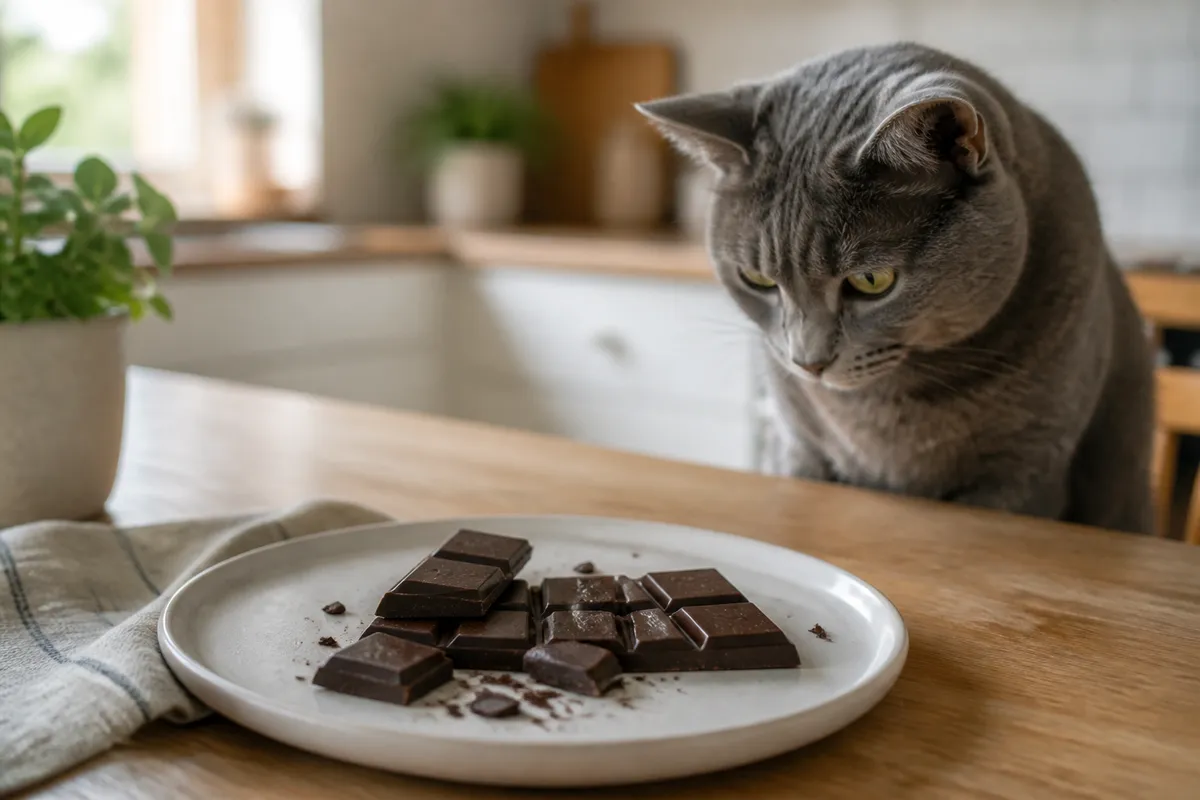
- Chocolate: Cats Protection lists vomiting, diarrhoea, drinking a lot and disorientation. Animal PoisonLine also notes vomiting, hyperactivity and tremors, with heart problems in more severe cases. See can cats eat chocolate.
- Painkillers: Cats Protection says as little as one tablet of paracetamol or ibuprofen could be fatal. Signs include difficulty breathing, pale blue gums and swelling of the paws and face, with vomiting and dark-coloured pee later. Paracetamol is toxic to cats and ibuprofen is toxic to cats.
- Antifreeze: Animal PoisonLine says ethylene glycol causes kidney failure, early signs can be easy to miss, and an antidote needs to be started as soon as possible. Antifreeze and cats is a same-hour emergency.
- Permethrin dog flea treatments: Animal PoisonLine lists twitching, tremor and convulsions that can last several days. ASPCA Animal Poison Control says shaking after a dog flea product on a cat can take up to 48 hours to appear. Never use a dog spot-on on a cat. See are flea treatments dangerous for cats.
- True lilies: Cats Protection says all parts are toxic, including pollen licked off fur, and that lethargy or vomiting can start within minutes. ASPCA Animal Poison Control notes that kidney signs may not show until two to three days later. Pollen and vase water count.
- Onions, garlic and grapes: Animal PoisonLine says allium anaemia may not be apparent for several days after stuffing, gravy or turkey curry. Grapes, raisins, sultanas and currants are a kidney concern even in small amounts.
What to do immediately
If you see emergency signs, go in. If you know there was an exposure and signs are still mild or absent, still phone. Cats Protection's steps: take the cat away from the poison; call your vet immediately; take a sample of the product if you can; do not try to make your cat vomit or treat the signs yourself; do not wait for symptoms or assume they will go away. Our what to do if your cat ate poison steps cover the first ten minutes. The emergency checklist lists what clinics usually ask for.
In the UK, Animal PoisonLine can advise on 01202 509000 even if your pet is showing no signs, to help you decide whether a trip to the vet is required. Do not try to make your pet vomit. Never give salt water. Collect the container and take it with you if you are told to travel.
What the vet does
Triage is about breathing, seizures, collapse and known high-risk toxins, not queue order. The vet will examine gums, heart rate, hydration and neurological status, then decide on decontamination, fluids, charcoal, antidotes where they exist, and blood tests. Our guide to how vets treat cat poisoning walks through that visit. Symptom logs you kept at home (when drooling started, when the last wee was) are genuinely useful.
Recovery and when to watch at home
Some cats are sent home to be watched because the exposure was tiny and they are stable. That is not the same as 'it was nothing'. Follow the clinic's return triggers: more vomiting, no urine, yellow gums, tremors, collapse. Keep the house quiet, water down, and the original toxin locked away. Repeat raids happen when the packet stays on the side.
Prevention is identifying the room that caused the scare. Kitchen leftovers, bathroom tablets, garage puddles and garden bait recur. Walk those rooms once after a poisoning call. This symptoms page will not replace a physical exam. It exists so you can spot a change early and describe it clearly when you phone.
How to describe signs so the clinic can act
Vague phrases waste minutes. 'A bit off' is better than silence, but 'vomited twice, last wee at 4pm, gums paler than this morning, hiding under the bed since 6' is what triage needs. Note gum colour against the same light each time. Count breaths for 15 seconds while the cat is resting and multiply by four if breathing is the worry. Write the product name exactly as it appears, including whether it is a gel, tablet or plant. If you do not know the plant, a photo of the leaf and flower is better than a guess at the common name.
Two cats in the house means check both. Shared leftovers and shared floors spread exposure. Kittens show signs faster because they have less body mass and less reserve. Elderly cats with existing kidney disease can look 'only a bit tired' while values crash. Night-time quiet is normal for some cats; a sudden change in a usually social cat is not. If you are torn between waiting until surgery opens and driving to an out-of-hours clinic, phone the emergency number and describe the toxin. High-risk items (lilies, antifreeze, paracetamol, permethrin, missing rat bait) should not wait for a 9am slot.
After you get home from a poisoning visit, keep a simple log for 48 hours: appetite, vomiting, wees, stool, energy. That log is also your early-warning system for a bounce-back. Yellow gums, no urine, fresh tremors or collapse mean you go back immediately. Do not add internet remedies to the discharge sheet. Cats Protection, Animal PoisonLine and ASPCA Animal Poison Control are listed in Sources if you want a second authoritative read while you wait for the clinic to call back. They will not replace the cat in front of you.
If this page brought you here because something already happened, skip the rest of the reading and use the phone. Identify, contain, call, travel. Symptoms help you report. They are not a test you must pass before you deserve help.
Find emergency care fast
Use Toxic Kitty's vet finder when you need an open emergency clinic. Pair it with our emergency checklist so you arrive prepared.
Frequently asked questions
- If my cat seems fine, can I wait?
- No, not if you know they were exposed to something dangerous. Cats Protection says do not wait for symptoms or assume they will go away. Animal PoisonLine can advise even when there are no signs yet.
- Which signs does Cats Protection list?
- Drooling, vomiting, diarrhoea, twitching and fitting, looking confused or uncoordinated, breathing difficulties, shock or collapse, skin inflammation, depression or coma, and changes in drinking, peeing and appetite.
- When is it an emergency?
- Fitting, breathing difficulties, collapse, coma, or a known high-risk exposure such as lilies, antifreeze, paracetamol or a dog flea pipette. Travel in rather than watching for another hour.
- Is this a substitute for a vet exam?
- No. This page is a watch list so you can act. Diagnosis and treatment still belong to a veterinary professional.
Sources
Authoritative organisations that cover this topic. These links open their public poison-control or toxicology pages, not a specific diagnosis for your cat.