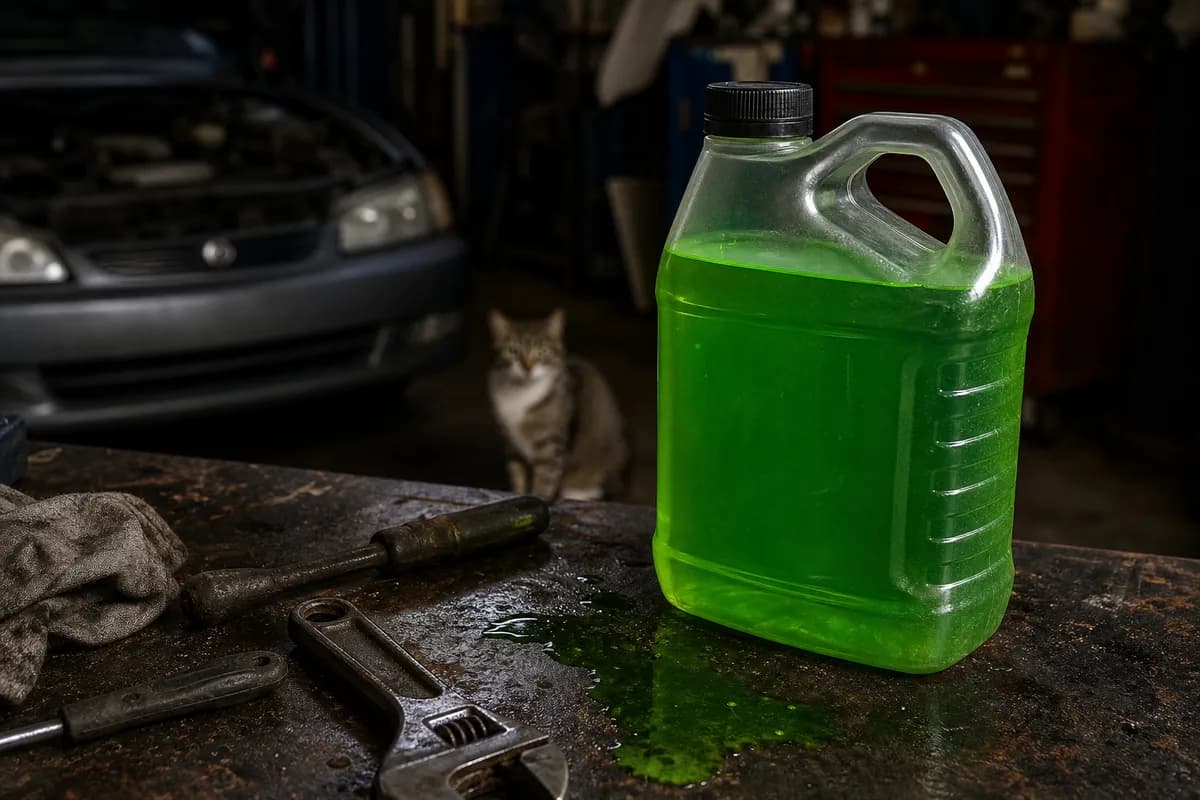
How Vets Treat Cat Poisoning: What Happens After You Arrive
Part of: Household toxins for cats
Rushing to the clinic is frightening when you do not know what happens next. This guide explains how vets treat cat poisoning — from triage to decontamination, charcoal, IV fluids, and blood tests — so you can focus on getting there with the right information.
Call ahead when you can
Phoning before you travel lets the team prepare. Say what was eaten, how much, your cat's weight, and when it happened. Bring packaging. Use our emergency checklist so nothing important is left on the kitchen counter.
Triage: why some cats go straight through
Reception and the veterinary team prioritise breathing problems, seizures, collapse, uncontrolled bleeding, and known high-risk toxins (such as lilies, antifreeze, or certain medicines). Waiting-room order is about medical urgency, not arrival time alone. Stay calm, keep your cat in a secure carrier, and share updates if signs worsen while you wait.
If the desk asks you to wait in the car for a contagious-disease screen or because the treatment area is busy, that is still care — they have not forgotten you. Keep your phone free for a call-back.
History and examination
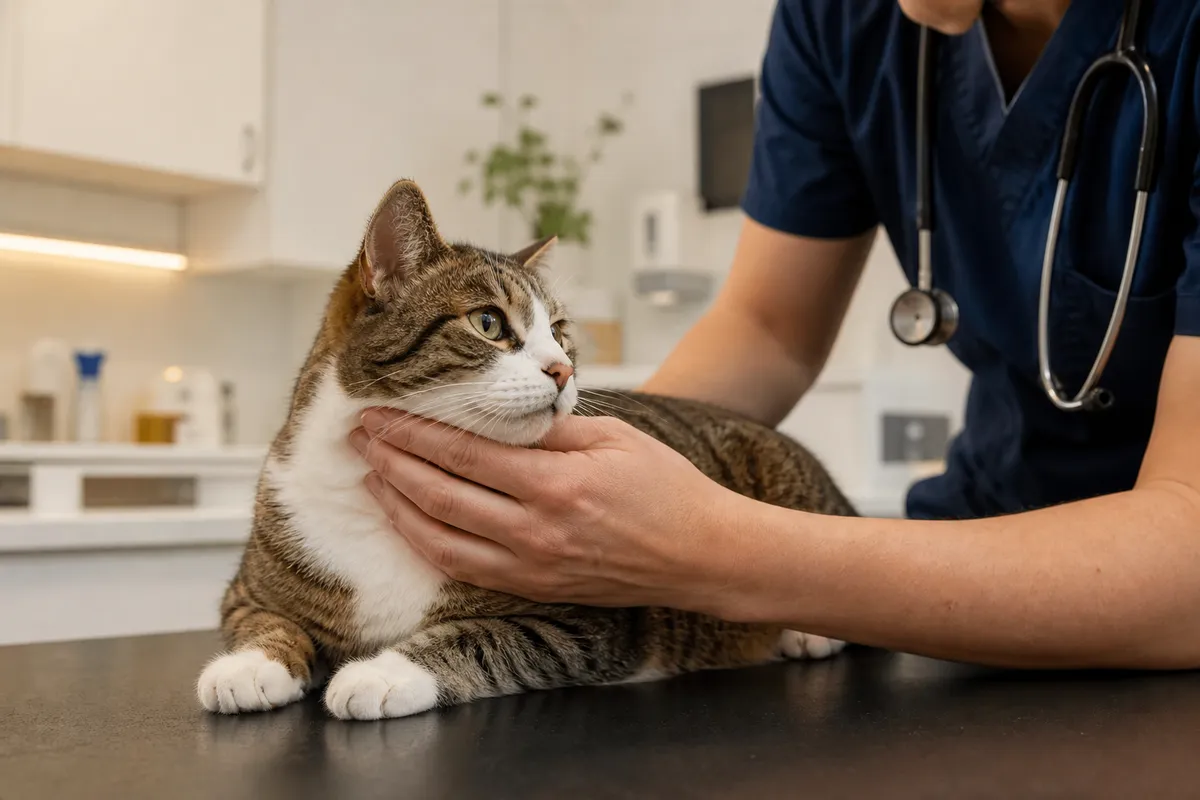
Expect questions about the product name, active ingredients, amount missing, time of exposure, and whether vomiting already occurred. The vet will assess heart rate, temperature, gums, hydration, neurological status, and pain. Photos of plants or packaging on your phone are genuinely useful. Mention chronic conditions and regular medications so drug choices stay safe.
Decontamination — when it is still helpful
If exposure was recent and the substance is appropriate for decontamination, the team may induce vomiting under controlled conditions, bathe skin or fur to stop ongoing absorption, or flush eyes. Home vomiting is different and often unsafe — clinics choose methods and timing carefully. Corrosive substances and some other toxins mean vomiting is avoided on purpose.
Fur contamination from oils, concentrates, or powders may need clipping of matted areas and thorough washing with pet-safe shampoo. Staff may wear protection and keep your cat warm afterwards so bathing does not cause hypothermia.
Activated charcoal
For some ingested toxins, activated charcoal may be given to bind material still in the gut. It is not suitable for every poison, and it is not a DIY product to force at home. Your vet decides whether it helps based on the substance and timing. Charcoal can be messy; that is normal and not a sign something has gone wrong.
IV fluids and supportive care
Intravenous fluids support circulation and kidney perfusion, help with hydration after vomiting, and provide a line for other medications. Cats may also receive anti-sickness drugs, gastroprotectants, anticonvulsants, temperature support, or oxygen depending on signs. Many "treatments" are about supporting organs while the body clears the toxin — which can feel less dramatic than television medicine but is exactly what many cases need.
Blood tests and monitoring
Bloodwork can check kidney and liver values, electrolytes, red blood cells, and clotting depending on the toxin. Some poisons cause delayed organ injury, so your vet may recommend repeat tests hours or days later even if your cat looks brighter. Monitoring might mean a day ward stay or overnight hospitalisation at an emergency centre with regular nursing checks.
Antidotes — when they exist
A few toxins have specific antidotes or targeted therapies; many do not. Absence of an antidote does not mean "nothing can be done" — supportive care is often the mainstay. Ask the clinician what they are watching for over the next 24–72 hours so you know when to return.
Costs and expectations
Emergency fees, bloods, and hospitalisation add up. Our guide to vet costs for cat toxicity explains typical UK cost drivers so invoices feel less opaque. Ask for an estimate as care plans evolve, and say early if budget is a hard constraint so options can be discussed.
What you can do to help the team
- Arrive with packaging, a timeline, and your cat's normal weight if known.
- List any regular medications or chronic conditions.
- Be honest about recreational products, human medicines, or garden chemicals involved.
- Follow discharge instructions on food, litter observation, and recheck bloods.
After you go home
Quiet rest, easy access to water, and watching appetite and litter-tray habits matter. Call back if vomiting returns, gums look pale or yellow, seizures appear, or your cat stops urinating — especially after kidney toxins. Prevention afterwards is part of recovery: scan new products and tighten storage habits so the same scare does not repeat.
Frequently asked questions
- Will my cat always need to stay overnight?
- Not always. Mild, early cases may go home with instructions. High-risk toxins or unstable patients often need longer monitoring.
- Why did the vet not make my cat vomit?
- Timing, the substance, or your cat's condition may make vomiting unsafe or useless. Trust the clinical judgement, ask them to explain the reason if you want clarity.
- Can I start treatment at home while I drive?
- Only do what the clinic specifically advises on the phone. Do not give human medicines, salt, or peroxide. Focus on safe transport.
- What should I do if my cat was just exposed?
- Call your vet or an emergency clinic with the product or plant name, an amount guess, and the time. Do not induce vomiting unless a veterinary professional tells you to, and take the packaging with you if you travel in.
Sources
Authoritative organisations that cover this topic. These links open their public poison-control or toxicology pages, not a specific diagnosis for your cat.