Wood Burners, Firelighters and Ash: Winter Fire Hazards for Cats
Clocks go back at the end of October. Evenings get long, wood burners come on, firelighters come out of the cupboard, and ash sits in an open grate. This is not another scented-candle article — that is air fresheners, plug-ins and candles. This is heat, fuel, and firelighter chemistry in a room a cat treats as a radiator.
Liquid firelighters and lamp oil are the emergency bottles
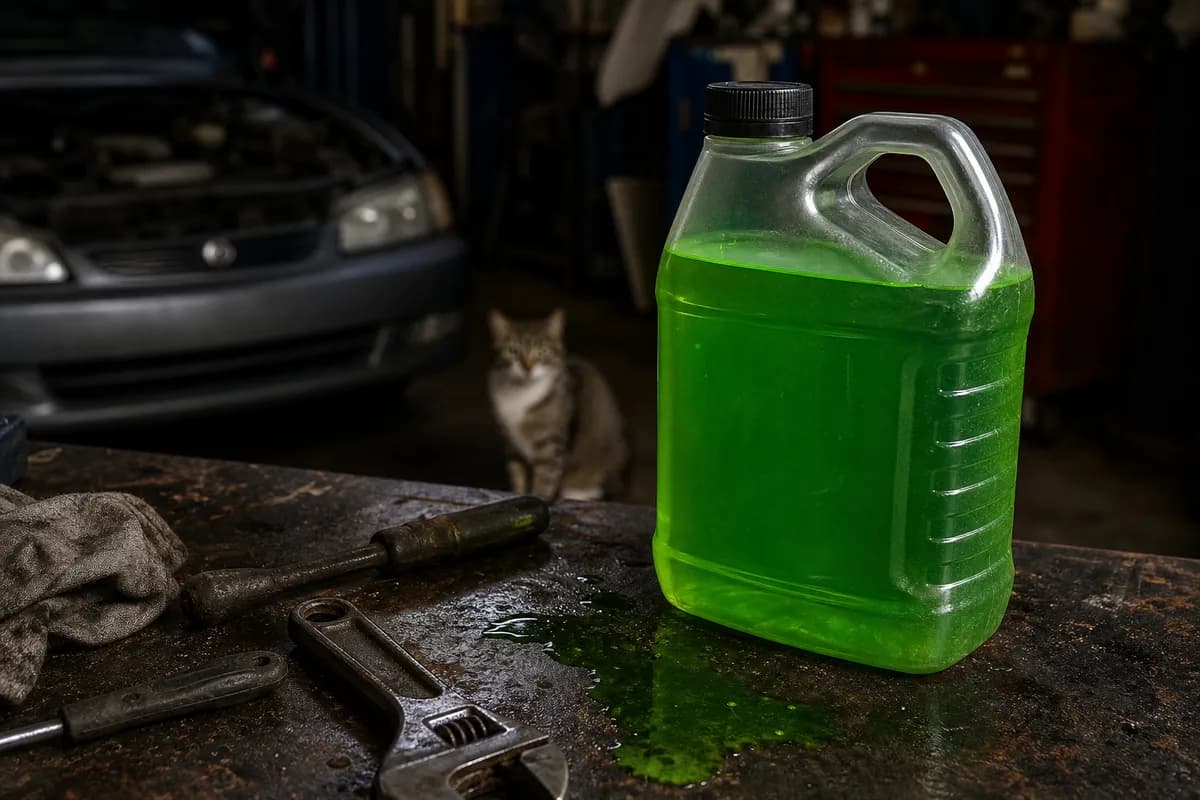
Hydrocarbon firelighters, barbecue lighting fluid, and some lamp oils cause serious lung injury if vomited or inhaled. If your cat chewed a bottle or a firelighter block, call the vet now and do not make them sick.
Why winter heating changes cat behaviour
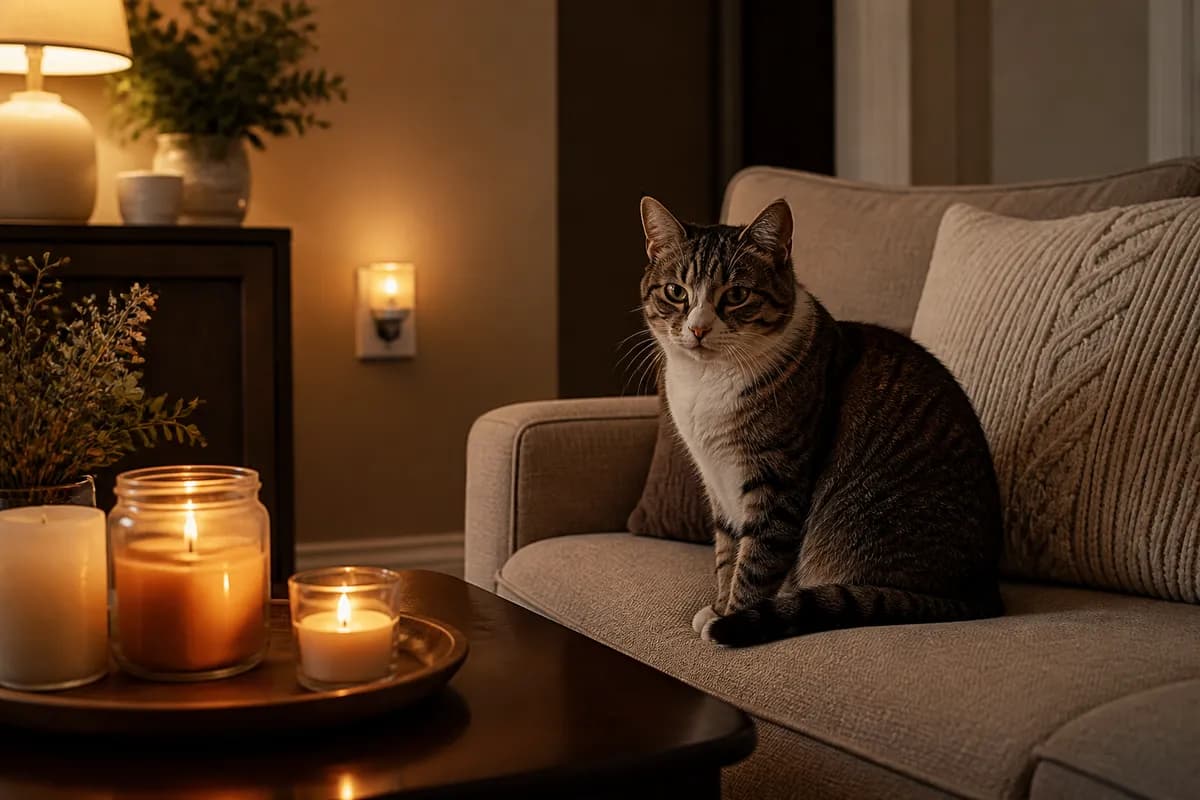
Cats seek heat. A hearth rug in November is the best seat in the house. That puts tails near glass doors, whiskers near flames, and paws in ash. Burns from wood-burner glass are common enough that anyone who lights a stove should have a fire guard that actually stops a jump, not a decorative fence. Hot ash looks like litter to some cats. Ingested ash is caustic and drying.
Firelighters, kindling and the cupboard under the stove
White block firelighters and gel pouches are attractive to chew. Petroleum distillates can be aspirated into the lungs, causing chemical pneumonia. That is why “make them vomit” is the wrong first aid — bringing the stuff back up can pull it into the airway. The same logic as our never make a cat vomit at home page, with a hydrocarbon-specific reason.
Store firelighters in a high, latched cupboard, not in a wicker basket on the hearth. Matches and lighters are a mouth-burn plus foreign-body risk. BBQ lighting fluid leftover from summer is still in many sheds in October — it belongs with the BBQ hazards story, now indoors.
Smoke, carbon monoxide and closed rooms
Poorly drawing stoves and blocked chimneys are a human safety issue first: working carbon monoxide alarms are non-negotiable. Cats in the same room share the air. If people have headaches and the cat is unusually drowsy while a fire is lit, get everyone into fresh air and treat it as a household emergency, not a “cat toxin” puzzle. Do not invent veterinary CO protocols at home — get professional help.
Essential-oil “wood stove” sachets
Scented pine cones, simmer pots, and “crackling log” fragrance oils bring the diffuser problem onto the stove top. Tea tree, pine, and cinnamon oils are still the wrong air for cats. See essential oils before you simmer anything overnight.
What to do after a chew or a burn
Burns: cool with lukewarm water, cover loosely, go to a vet — do not put butter on fur. Firelighter ingestion: do not induce vomiting, call now, take the pack. Ash eating: rinse mouth if they allow, call if vomiting or drooling continues. Use what to do and the emergency checklist.
Are electric stoves safer?
They remove open flame and firelighters. Glass still burns. Cords still get chewed. Safer is not the same as cat-proof.
Hearth rugs, tails and glass doors
Measure the exclusion zone with the cat in mind: a running jump, not a polite sit. Stove glass stays hot after the flame is out. A tail left on the door is a burn. If you use a fire guard, it needs a lid or a height cats cannot clear. Decorative screens that a kitten walks around are furniture, not safety kit.
Ash pans should cool in a closed area, not on the kitchen floor “for a minute”. Cats investigate new trays. Clinker and foil ash look like toys. If they eat ash, expect vomiting and a sore mouth — still a call if it continues.
Multi-fuel stoves and smokeless fuel
Bags of smokeless fuel in the porch are dusty and tempting to climb. Keep them sealed. Do not treat coal or coke as a “natural” product a cat can nibble. If you also burn scented logs, you have added oils to the air — that is the essential oils problem in a different wrapper.