Is Rock Salt Toxic to Cats? Grit, Paws and Winter Paths
First frosts turn British paths into salt. Councils grit roads; households scatter rock salt on steps; cars drip brine onto driveways. Cats walk through it, then lick their paws. That is not the same toxin as antifreeze, but winter pavements mix the two — which is why this page sits beside our antifreeze guide rather than replacing it.
Blue-green puddles are not grit
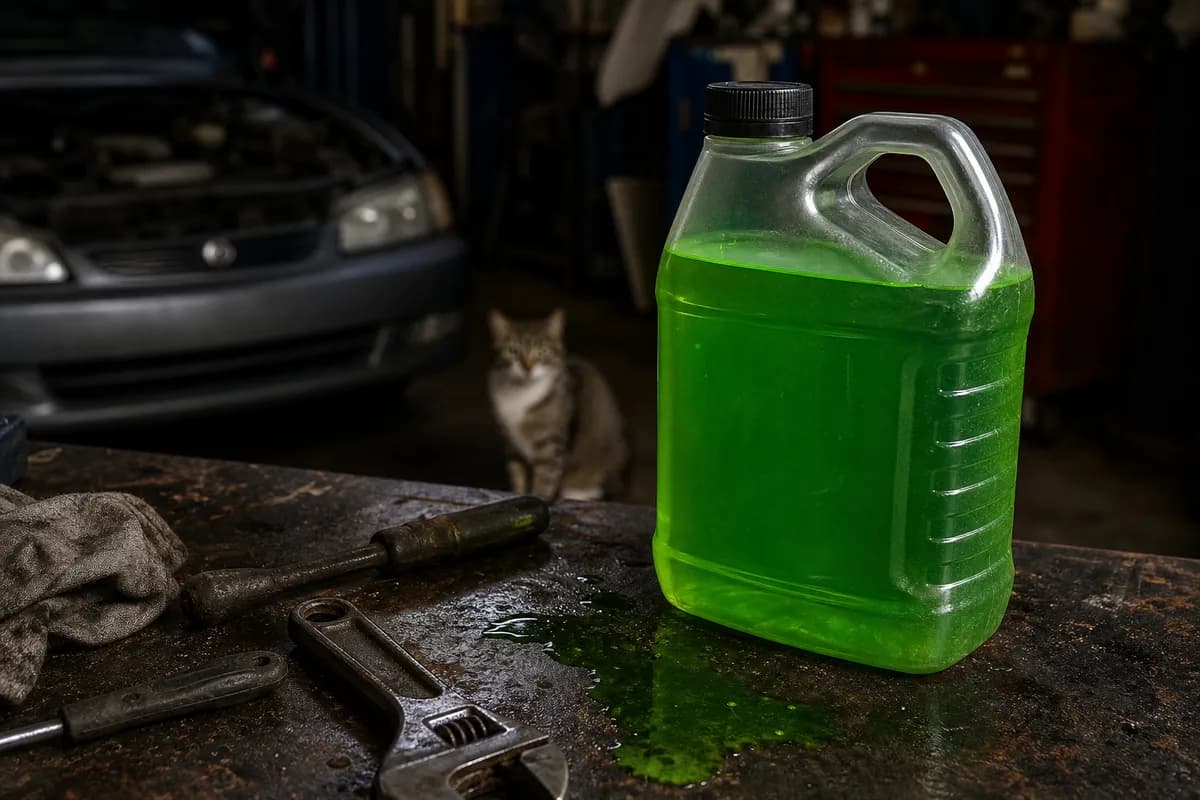
Sweet-smelling screenwash or antifreeze leaks are a different, often fatal, emergency. If you see a coloured winter puddle, keep the cat off it and read the car-fluids page after you have called the vet.
What rock salt does to paws and mouths
Sodium chloride and similar de-icers dry and crack paw pads. Grit is abrasive. Cats then groom, swallowing salt. A small amount may mean a thirsty, irritated cat. A larger grooming session can mean vomiting, diarrhoea, excessive thirst, and — in extreme cases — salt toxicity that affects the brain. You will not measure milligrams of pavement salt at home. You will notice a cat that will not walk, licks obsessively, or suddenly seems drunk.
Some “pet-safe” de-icers are urea- or glycol-based. “Pet-safe” on a bag is marketing, not a veterinary licence. Glycol-containing products need the same suspicion you already apply to antifreeze. When a label is unclear, keep cats off treated steps and phone for advice with the bag in hand.
Winter walks, cat flaps and parked cars
- Cat flap after a gritted path: wipe paws before they settle on the radiator
- Driveways: leaking radiators and screenwash puddles collect where cats sit under cars for warmth
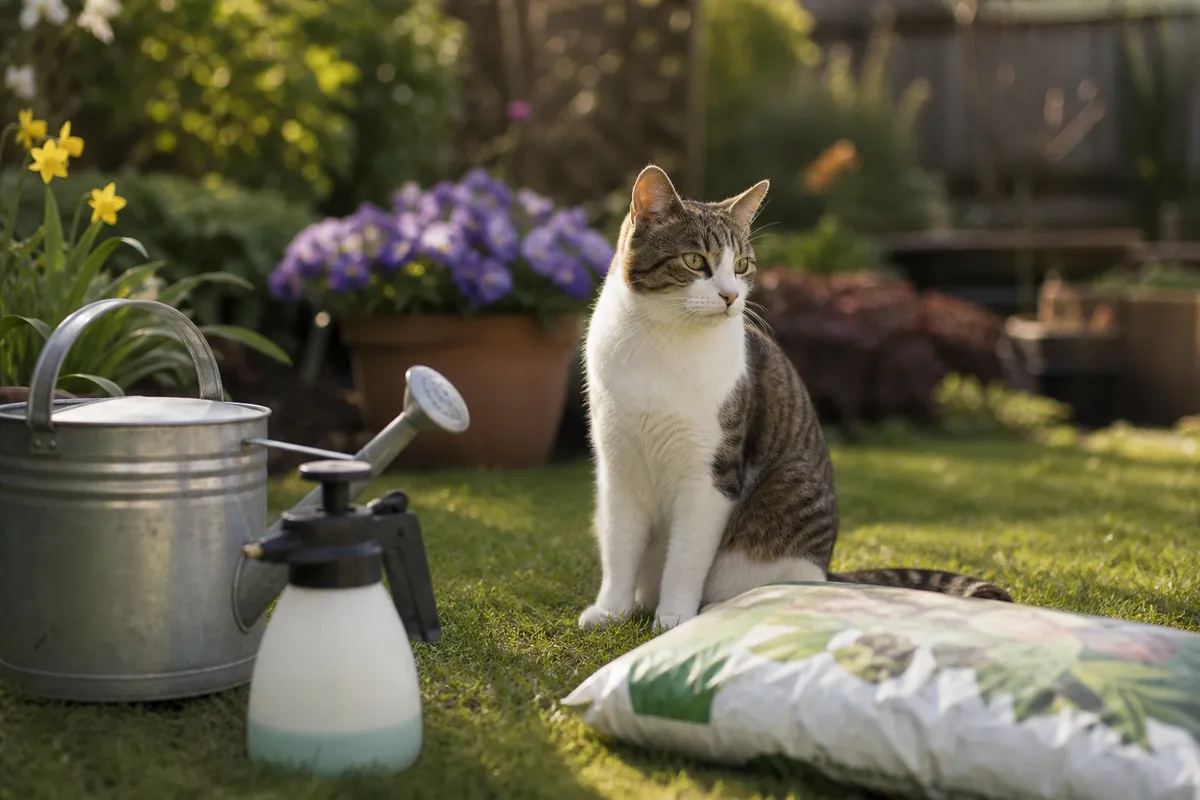
- Plant pots by the door: meltwater concentrates salt in soil they may dig
Outdoor cats hunting under warm engines is a classic winter scene. Warmth is antifreeze territory. If your cat uses the car as a bed, check for drips every frost. Details of ethylene glycol sit in antifreeze is toxic to cats; screenwash and washer bottles are covered in the next seasonal post in this series.
What to do after a salty walk
Wipe paws with a damp cloth. Check pads for cracks or embedded grit. Offer fresh water. If they vomit, seem weak, or will not bear weight, call the vet. Do not induce vomiting. Do not “balance” salt with a home electrolyte mix. If you suspect they drank from a coloured puddle, say so immediately — that is not a salt case. Use poisoning symptoms to describe what you see, and what to do for the call.
Reducing winter paw exposure
Use a covered litter tray and keep an indoor toilet option so they are not forced out onto treated pavements. Clear your own steps with a shovel first; use the smallest amount of de-icer you can. Boot-style paw wax is a dog product many cats will not tolerate — do not wrestle it on and call it safety. A towel by the flap and a habit of wiping is more realistic. For the rest of the house in cold months, the toxins by room map still applies: garage and porch are now high season.
Is table salt the same?
Chemically related, yes — a cat that ate a pile of cooking salt is also a phone call. Pavement products may include other additives. Bring the bag if you have it.
Indoor cats still meet grit
Grit comes in on shoes, shopping bags, and dog paws. A hallway runner collects it. If you have a dog and a cat, wipe the dog before the cat grooms the dog. Porch mats need shaking out, not a week of salt crust. For the garage half of this story — bottles, drips, warm engines — use screenwash and winter car fluids the same week you buy de-icer.
Long-haired cats trap more brine in the coat. A wipe of belly fur after a wet walk is unglamorous and useful. Cracked pads can be cleaned gently; do not put essential-oil balms on paws. If pads are raw or they will not walk, that is a clinic question, not a home spa.
Council grit bins are not toys
Yellow bins on pavements fascinate some cats. The contents are not a litter tray. Keep your own stored de-icer in a sealed tub on a high shelf, labelled, not in a torn sack by the back door where a cat can climb in.