Can Cats Drink Alcohol? Why Even a Sip Is Dangerous
A sip of wine from a glass, a lick of beer foam, or a stolen mouthful of rum cake can look comic until it is not. If you are wondering can cats drink alcohol, the answer is no — ethanol affects cats at doses that seem trivial to humans, and many “hidden” household products contain it too.
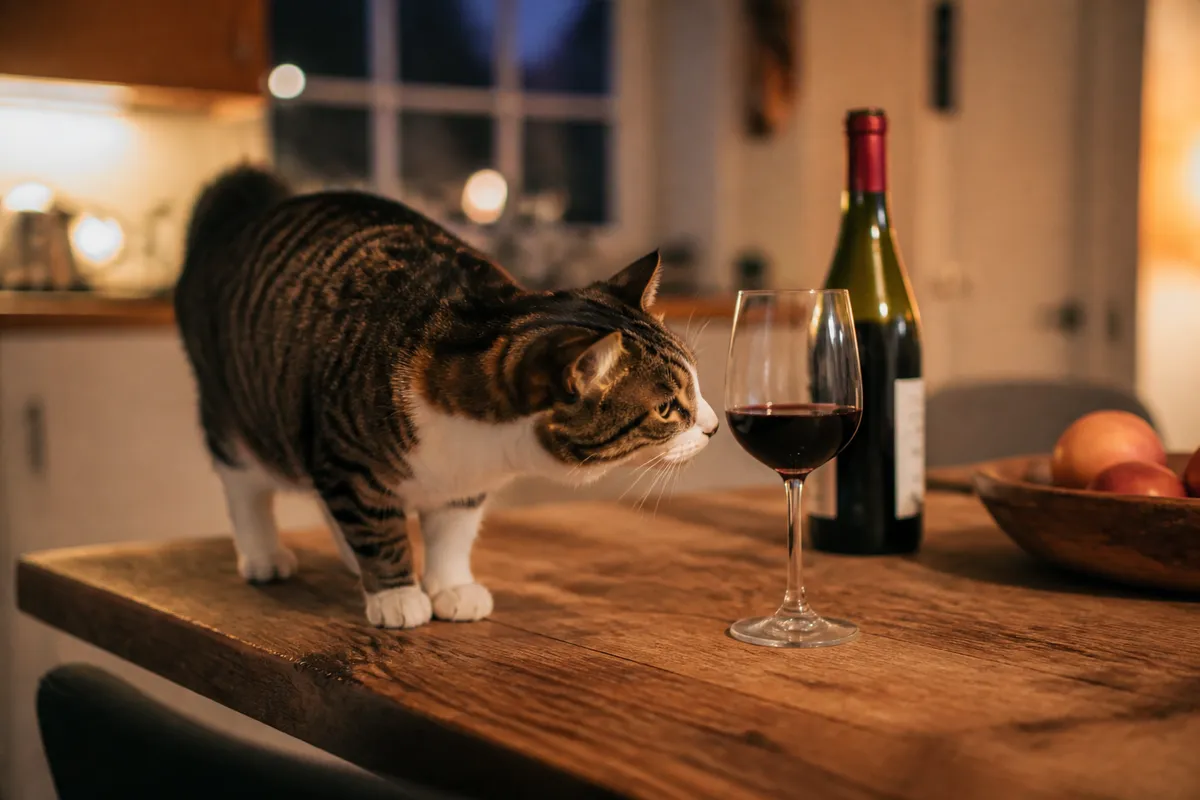
Even a small amount can be an emergency
Cats have small bodies and limited ability to process ethanol. Unsteadiness, vomiting, or collapse after any alcohol exposure means you should seek veterinary care without delay. Do not wait to “see if they sleep it off”.
Why alcohol is dangerous for cats
Ethanol depresses the central nervous system and can disrupt blood sugar, body temperature regulation, and breathing. What feels like a mild buzz in an adult human can overwhelm a three- or four-kilogram cat. Kittens and underweight cats are at particular risk. Alcohol is also irritating to the gut, so vomiting and diarrhoea often arrive alongside neurological signs.
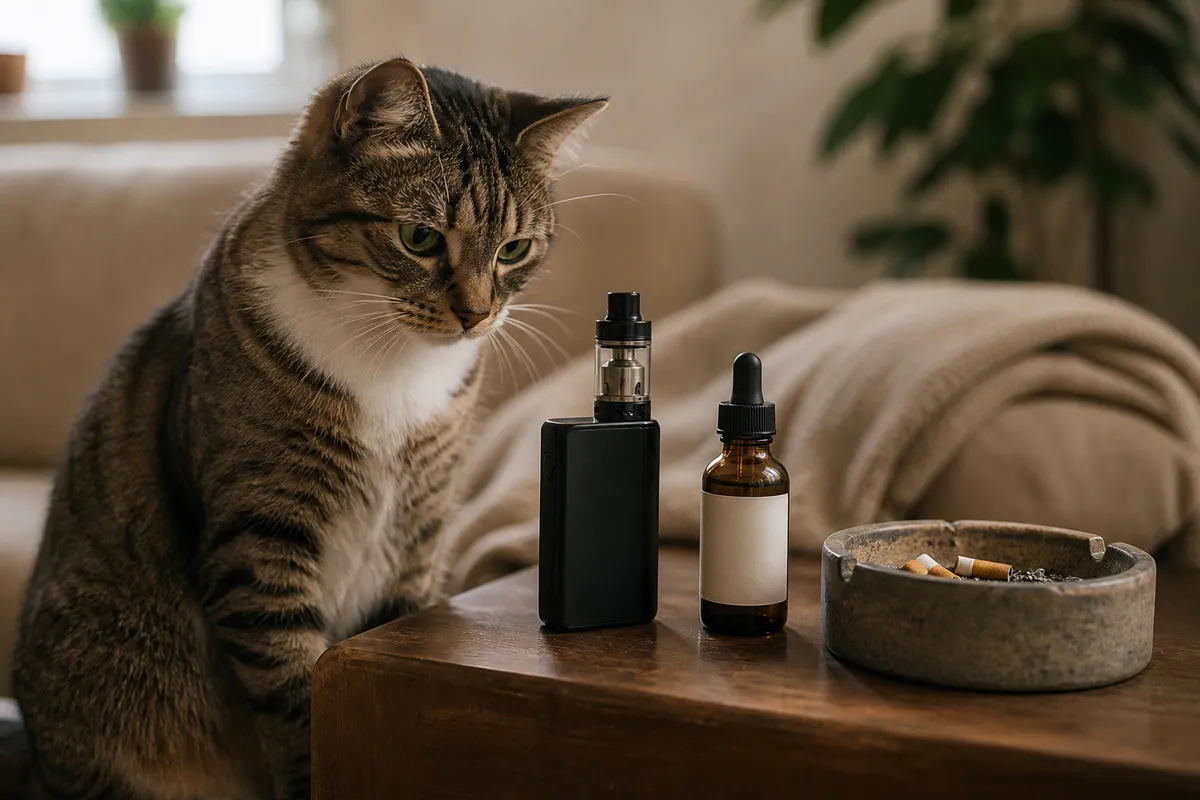
Unlike a carefully measured medicine, party leftovers are unpredictable. Cats may drink from abandoned glasses, lap spilled spirits from worktops, or eat desserts where alcohol has not fully cooked off. Fermenting fruit in a compost bowl or homemade kombucha left open can also produce ethanol. The theme is the same: tiny volumes matter.
Everyday sources beyond the drinks trolley
- Food and puddings: rum truffles, tiramisu, brandy butter, beer-battered scraps, and fruit soaked in wine
- Bathroom products: mouthwash, some aftershaves, and alcohol-based hand gels left uncapped
- Kitchen and DIY: vanilla extract, cooking wines, and solvent-heavy products that smell sweet or strong
- Rising dough: raw yeast dough can ferment ethanol in the stomach — see our raw dough risks for cats guide
Hand gel deserves special mention. After the pandemic years, bottles live on hall tables and kitchen counters. Curious cats may lick residue from paws after walking through a spill, or chew a soft bottle. Mouthwash left in a bathroom tumbler is similarly tempting because it smells minty-sweet. Building a cat-safe kitchen — and extending that mindset to bathrooms — closes many of these gaps.
Dose and severity
There is no “safe sip” for cats. Higher-proof spirits deliver more ethanol per lick than beer or wine, but low-alcohol drinks and sauces still matter when the drinker weighs a few kilograms. Mixed drinks with xylitol, chocolate, or caffeine add extra toxins on top of ethanol. If you know the product and approximate amount, tell your vet exactly — they can interpret risk better than any home rule of thumb.
Symptoms of alcohol poisoning in cats
Expect a picture that can resemble drunkenness: wobbly gait, disorientation, drooling, vomiting, drowsiness, or unusual vocalising. Severe cases may progress to low body temperature, slow breathing, seizures, or coma. Some cats become unusually quiet and hide. Compare what you observe with our cat poisoning symptoms overview so you can report timing and progression clearly.
What to do right now
Move your cat away from the source and keep them warm, quiet, and supervised. Do not induce vomiting unless a vet specifically instructs you — aspiration is a real risk when the nervous system is depressed. Phone your vet or emergency clinic with the drink or product name, roughly how much may have been taken, and when. Follow the steps in what to do if your cat ate poison while you gather packaging and travel plans. In the UK, PDSA and the Animal PoisonLine can also help you decide how urgently to travel if your usual practice is closed.
Party proofing
During gatherings, clear glasses promptly, keep hand gel in a cupboard, and put dessert trays away before you sit down. A closed door between cats and the buffet is kinder than an emergency visit that can easily run into hundreds of pounds.
Prevention habits that stick
Never offer alcohol as a joke or “to calm them”. Rinse recycling that held beer or spirits before leaving it where cats investigate. Wipe spills immediately. Choose pet-safe cleaners rather than alcohol-heavy DIY mixes on floors cats walk on and then groom. Consistency beats one-off panic after a scare.
Why “just a little” is still too much
Owners sometimes compare a cat’s sip to their own glass and conclude the volume was harmless. Body weight alone makes that comparison misleading, and cats do not process ethanol with the same efficiency people assume from human drinking culture. Layer on empty stomachs, warm rooms, and possible mixing with cream liqueurs or chocolate desserts, and the clinical picture can worsen faster than a casual guess suggests. Emergency treatment — monitoring, warming, glucose support, and fluids — can run into significant £ costs at out-of-hours clinics, which is another practical reason to prevent access rather than gamble on a tiny lick.
Unopened bottles are less interesting than open glasses, sticky can rims, and dessert plates. Training yourself to clear the coffee table before sitting down is more effective than relying on a cat’s manners. If you use alcohol wipes or surgical spirit for first aid, store them with medicines, not in an open bathroom caddy at jump height.
Frequently asked questions
Can cats have alcohol-free beer or mocktails?
Alcohol-free drinks are not automatically cat-safe. They may still contain hops, sweeteners, essential oils, or other additives. Water remains the only drink cats need. Skip sharing.
My cat licked a tiny drop of wine — should I still call?
Yes, especially for kittens or small cats. Describe the amount honestly; your vet may advise monitoring at home or ask you to come in. Calling early is cheaper and safer than waiting for collapse.
Is cooked food with wine sauce safe once heated?
Cooking reduces ethanol but does not reliably remove every trace, and sauces often include onion, garlic, or rich fats that bring separate risks. Do not feed leftover boozy sauces to cats.