Can Cats Eat Cheese? Lactose, Fat and Winter Cheeseboards
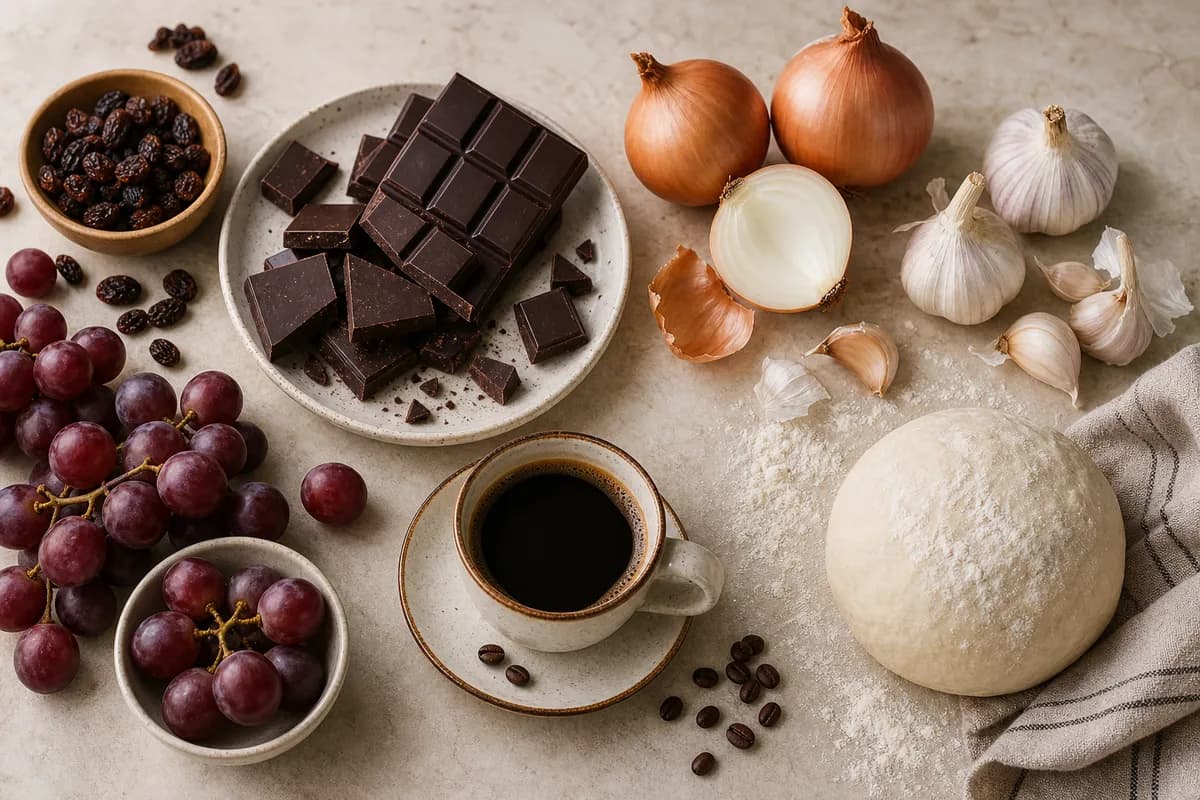
Cheese boards come out as the nights close in: cheddar rinds, stilton, onion chutney, grapes on the side. Cats are opportunists. A crumb of plain cheddar is not a classic toxin. A winter board is a trap of lactose, fat, onion jam, grapes, and flavoured rinds. Treat this as a food-access page that sits under can cats eat human food and is milk bad for cats — not as permission to share the stilton.
Grapes, onion chutney and xylitol crackers first
If the raid included grapes, raisin bread, onion jam, garlic butter, or sugar-free crackers, ignore the cheese and call the vet about those. Cheese is then a side issue.
Lactose, fat and why cats are not tiny dinner guests
Most adult cats make little lactase. Milk is the obvious lactose source; many cheeses are lower, especially hard, aged cheddar, but they are not lactose-free by default. Soft cheeses and processed slices can still upset the gut. Fat is the quieter winter problem: rich cheese plus pastry is a pancreatitis risk in susceptible cats. Vomiting a few hours after a “tiny bit of brie” is not cute. It is a reason to stop the habit.
Cats also do not need dairy protein. Complete cat food already covers nutrition. Cheese as a pill-pocket is a last resort, not a lifestyle. If you hide tablets in food, avoid anything with xylitol or onion powder — see xylitol and onions and garlic.
The winter board is the real toxin list
- Grapes and raisins: on the same platter — kidney risk. Read grapes and raisins.
- Chutney and pickle: onion, garlic, raisins, chilli
- Flavoured cheeses: chive, onion, garlic, whisky, chilli honey
- Crackers: garlic butter, xylitol in some “diet” biscuits, chocolate-dipped novelty biscuits
Dose: a lick versus a stolen wedge
A lick of plain hard cheese in a healthy adult is usually a monitor-at-home moment: watch for vomiting or diarrhoea. A kitten, a cat with a sensitive pancreas, or anyone who ate a grape or a garlic-rolled log is a phone call. Mouldy discarded rinds are not “blue cheese culture” — they are bin food. Keep boards off the coffee table. Use cat-safe kitchen habits: lids, height, no overnight leftover plates.
What to do after a raid
List every item on the board. Photograph packets. Do not induce vomiting. If grapes, chocolate, xylitol, or a large fatty meal were involved, treat it as urgent. Otherwise call if vomiting repeats, they hide, or they seem painful. What to do if your cat ate poison still applies when the “poison” is a dinner party.
Is lactose-free cheese fine?
It removes one problem and leaves fat, salt, and flavourings. It is still not cat food. Do not use it as a daily treat.
Cheese as a pill pocket in winter
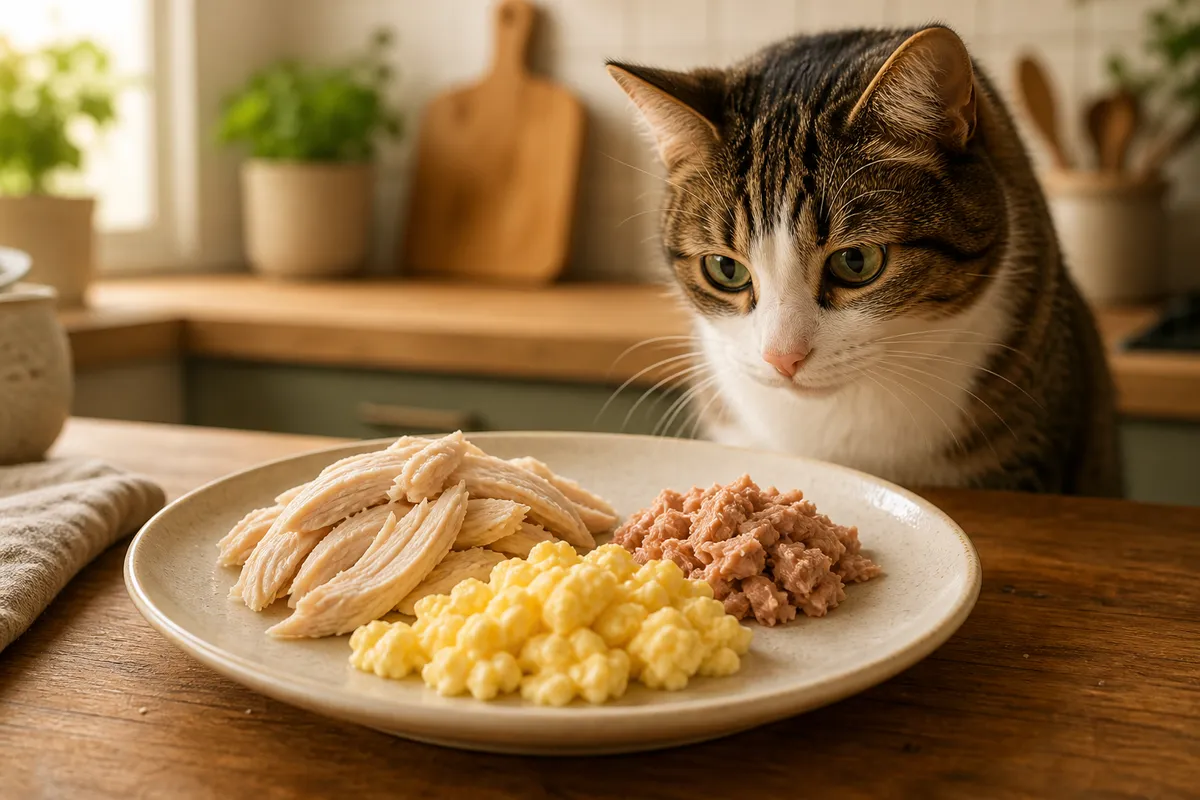
Hiding tablets in cheese is common when cats go on long courses. Use the smallest smear of plain, xylitol-free, onion-free cheese, then stop when the course ends. Do not escalate to “a cube every morning” because the cat now expects it. If they refuse medicine, ask the vet about flavoured liquids or a pill giver — not a bigger wedge.
Processed cheese slices and supermarket “snack bars” are more likely to include flavourings and sweeteners. Hard cheddar from a block you control is the least-bad option if you must use dairy at all. It is still not a treat programme.
Guests, Christmas Eve and leftover boards
The board that sits out from 4pm to midnight is the one that gets raided. Cling film is not a cat barrier. Put it in the fridge. Grapes for decoration should not be on the same plate. If you already bought a festive cheeseboard for December, the habits start now — not on Christmas Eve when everyone is tired.