Can Cats Eat Pumpkin? Flesh, Seeds, Spice and Halloween Leftovers
Pumpkin is about to be everywhere: doorsteps, soups, pies, and “healthy” pet recipes on social media. Plain cooked pumpkin flesh is not a classic cat toxin. Pumpkin pie, spice mixes, chocolate-coated seeds, and xylitol-sweetened desserts are a different story. If you are planning Halloween food in a cat house, keep this next to the 25 human foods cats should never eat pillar rather than treating pumpkin as automatically safe.
Pie filling is not the same as pumpkin
Nutmeg, raisins, chocolate, sugar-free syrups, and onion in savoury pumpkin soup are the usual villains. If your cat raided a dessert, call the vet with the ingredients list — do not assume “it was only pumpkin”.
Plain pumpkin versus everything people put on it
Cats are obligate carnivores. They do not need pumpkin. A teaspoon of plain, cooked, unsweetened flesh is sometimes used by vets as a fibre extra in specific constipation cases — that is a clinical decision, not a seasonal treat trend. Raw chunks, stringy guts, and seeds are awkward to chew and easy to inhale or obstruct, especially in kittens. Decorative pumpkins left to rot grow mould; mouldy food is its own problem.
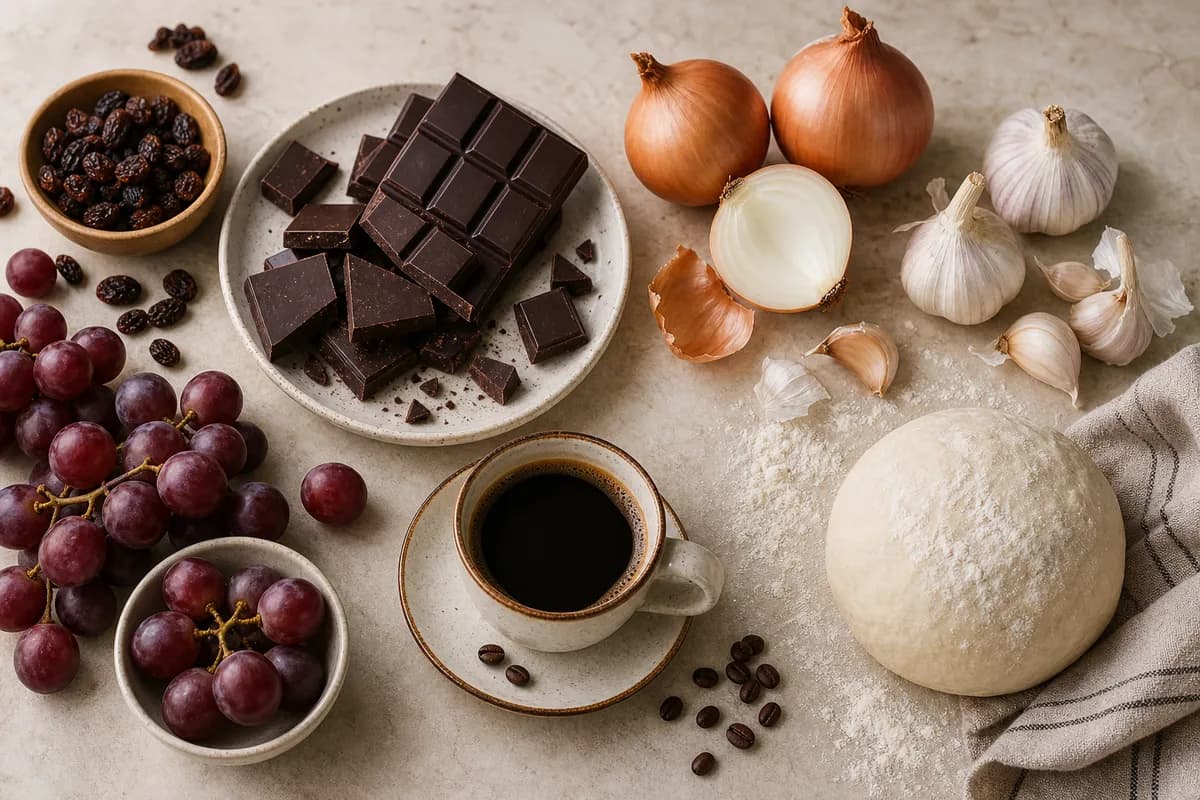
Shop “pumpkin spice” is usually cinnamon plus nutmeg and sweet fillers. Nutmeg in quantity is a gastrointestinal and neurological irritant. Raisins in traybakes are a kidney-risk food. Chocolate in “pumpkin truffles” is theobromine. Sugar-free syrups may contain xylitol. Each of those already has a dedicated page on this site because they are not theoretical: see chocolate, grapes and raisins, and xylitol.
Halloween leftovers cats actually steal
- Carved lanterns: candle wax, soot, and rotting flesh; stringy guts on the floor
- Roasted seeds: salt, chilli, chocolate coating, choking
- Soup: onion, garlic, stock cubes, cream, chilli oil
- Cakes and lattes: dairy, caffeine if coffee is involved, sweeteners
Savoury pumpkin dishes are often built on onion and garlic — both cause oxidative damage to cat red blood cells. If the soup tasted great to you, it is the wrong soup for a cat. Details live in onions and garlic and in the cat-safe kitchen habits that stop counter-surfing in the first place.
Dose, size, and when to worry
A lick of plain mash is unlikely to poison a healthy adult cat. A kitten that ate a cup of pie filling, a cat with pancreatitis history that stole fatty pastry, or anyone who ate raisins or chocolate needs a phone call. Vomiting after pumpkin guts may be mechanical (fibre, string) rather than a named toxin — still worth checking if it persists, because foreign-body string from carving is a surgery risk.
What to do after a raid
List every ingredient you can see. Photograph the packet. Do not induce vomiting. If chocolate, xylitol, raisins, or a large fatty meal were involved, treat it as urgent. Otherwise monitor and call if vomiting continues, they hide, or they strain. Use the emergency checklist when you ring so you do not forget the time and amount.
Can cats have pumpkin in cat food?
Some complete cat foods include pumpkin as a minor fibre source. That is formulated and dosed. It is not a reason to add table pumpkin every day or to replace a meal with pie.
Pumpkin in “cat recipes” online
Social videos that add pumpkin to every bowl ignore that cats need a complete diet, not a fibre trend. A teaspoon of plain flesh might be something your vet suggested for a specific constipation case. Copying a 50 g “pumpkin puree treat” from a stranger is how you get diarrhoea and a cat that then refuses proper food. If gut transit is actually a problem, ask the clinic — do not crowdsource a seasonal menu.
Canned pumpkin in the UK is sometimes pumpkin pie mix by another name. Read the tin. Spices, sugar, and salt turn a bland extra into a dessert. Frozen “pumpkin chunks” for roasting are usually plain — until they hit a tray of oil and garlic. The tray is the toxin.
Doorstep lanterns and wildlife
A carved pumpkin on the front step invites foxes and neighbourhood cats. Rotting flesh plus a tea light is a burn and a mould problem. Bring lanterns in at night or skip candles. If your cat is indoor-only, the risk is the carving mess on the kitchen floor: string, seeds, and knives left to “deal with later”.