Is Christmas Cactus Toxic to Cats? No
Part of: Toxic plants for cats · Christmas cat safety
Is Christmas cactus toxic to cats? No. The ASPCA lists Schlumbergera bridgesii as non-toxic to cats. Cats Protection names Christmas cactus, including Easter cactus and November cactus, among common houseplants that are safe for cats. Animal PoisonLine includes Christmas cactus as Schlumbergera species on the VPIS pet-safe plant list. A non-toxic listing is not a salad licence. Here is what those sources actually cover, how foil wrap and mixed festive pots still cause trouble, and when a chewed pad is a vet call.
Non-toxic is not the same as edible
The ASPCA notes that eating any plant material may cause vomiting and gut upset. Animal PoisonLine's pet-safe list says the same: mild gastrointestinal upset can still follow a chew. If your cat demolished the pot, looks unwell, or you cannot confirm the species, call a vet. Do not make them vomit at home.
What the sources say
The ASPCA Christmas cactus listing marks Schlumbergera bridgesii as non-toxic to cats, dogs and horses. The extra common name on that page is Easter cactus. The family is Cactaceae. The listing does not name a toxic principle or a clinical-sign list, because it is a non-toxic entry. That is the picture we use. We do not add organ-failure claims the page does not make.
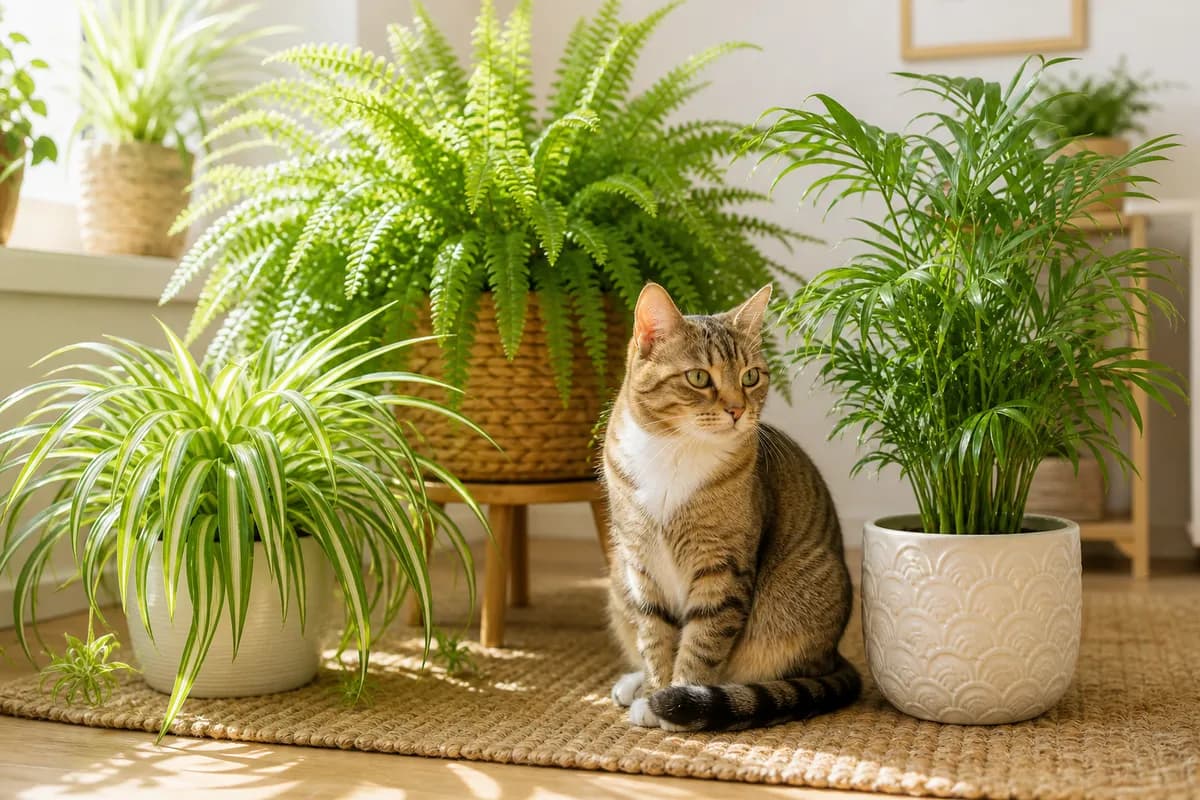
Cats Protection's plants poisonous to cats page lists Christmas cactus (Schlumbergera, Easter cactus, November cactus) among common houseplants that are safe for cats. The same names sit in the indoor safe column of its downloadable indoor-plants guide and complete plants guide, next to spider plant and parlour palm, not in the toxic indoor column. Animal PoisonLine's VPIS pet-safe list includes Christmas cactus as Schlumbergera species, and notes that ingestion of any plant material may still cause mild gastrointestinal upset.
The ASPCA also has a separate shrimp cactus listing for Schlumbergera russelliana, marked non-toxic to cats. There is no ASPCA plant page titled Thanksgiving cactus. We do not invent a verdict for a name those listings do not use. Cats Protection's November cactus is an extra name on its Christmas cactus line, not a separate toxic plant. This page sits in the toxic plants for cats hub and on the Christmas cat safety hub as festive colour, next to poinsettias.
How cats meet holiday cactus
Christmas cactus arrives in November and December as a supermarket pot, an office leftover, or a hanging basket of flattened, spineless pads. The joints look chewable. Cats bat the hanging stems, then shred a pad on the carpet. Foil wrap, ribbon and a plant-food sachet travel with the pot. A mixed festive bowl may hide a poinsettia or a lily the label never named.
- Gift pots: windowsill colour sold as Christmas, Easter or November cactus
- Foil and ribbon: wrap, bows and picks that are not the plant. Animal PoisonLine leaves spiny plants off its safe list; foil is a separate swallow risk
- Mixed festive bowls: a holiday cactus sharing compost with poinsettia, cyclamen or unnamed fillers
- Fallen pads: chewed joints on the floor, then a second course while you are out
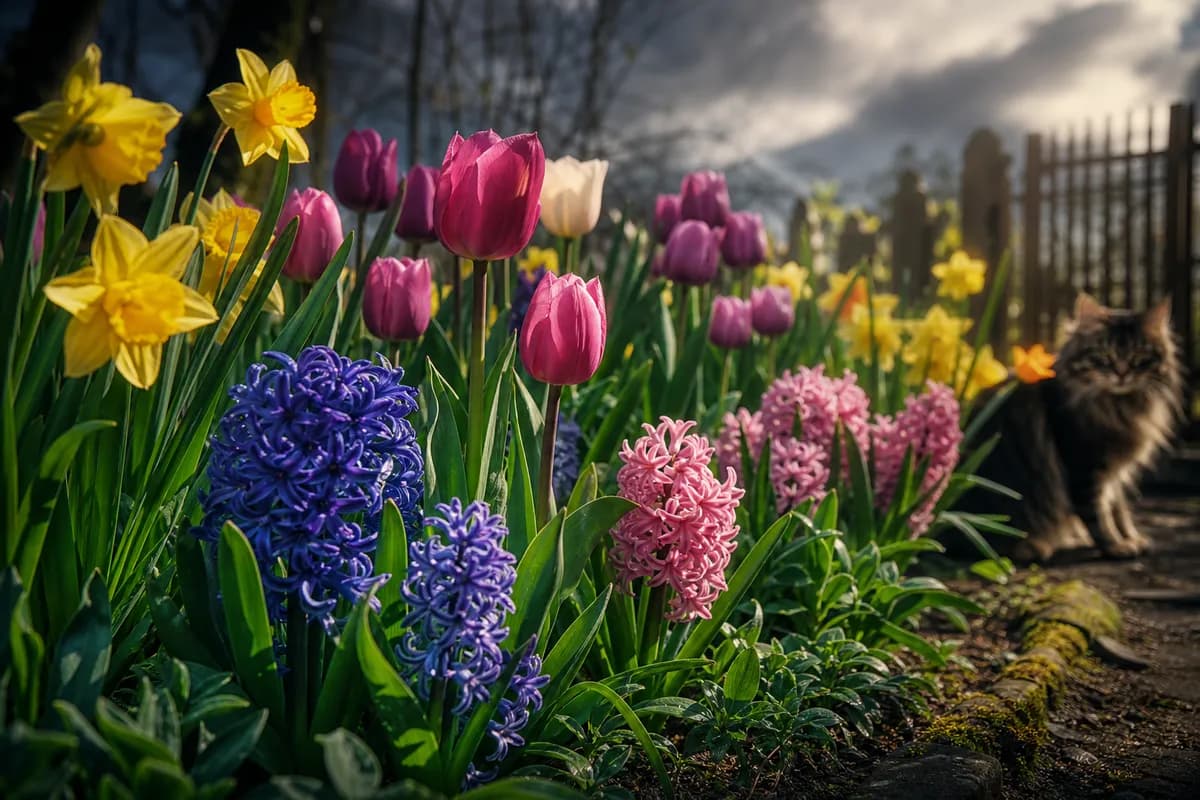
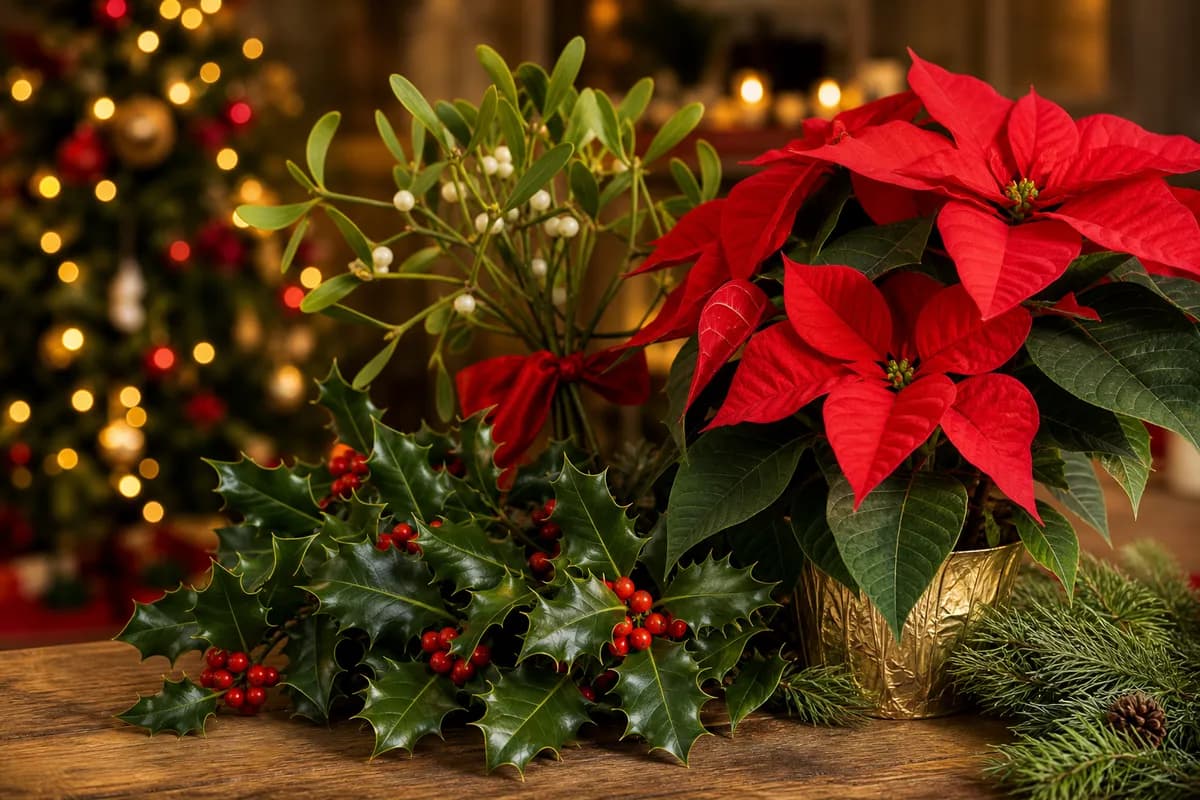
Poinsettia is a different plant with a milder irritant story of its own: see are poinsettias toxic to cats. True lilies in a 'Christmas bouquet' are a kidney emergency: see why lilies are so dangerous. Forced winter bulbs are not a free substitute: see amaryllis and hyacinth. For the wider December plant map, use Christmas plants that can harm cats.
When a listed-safe plant is still a vet call
Call if they ate a large amount, keep vomiting, might have swallowed foil or ribbon, you cannot confirm it was Schlumbergera, or they look unwell. Animal PoisonLine says that if a pet repeatedly chews plants and has gut upset, it is better to remove the plant. Cats Protection's plant page still wants you to phone rather than wait if you think a cat has been poisoned. The ASPCA notes that any plant material may cause vomiting and gut upset, including plants listed as non-toxic.
Say Christmas cactus, Easter cactus, November cactus or Schlumbergera if you have the sticker. Take a pad and the label. Do not induce vomiting. Use what to do if your cat ate poison when identity is shaky. Match sudden signs to cat poisoning symptoms so you can report timing. In the UK, Animal PoisonLine can help you judge urgency when the surgery is closed.
Lookalikes and how to keep one
A desert cactus with spines is not this plant. Animal PoisonLine's pet-safe list says plants with stinging hairs, thorns, prickles or spines have not been included. Christmas cactus is listed because the pads are flattened and spineless. Spines are a mechanical injury, not an ASPCA Christmas cactus toxin. Pencil cactus is a different, problem houseplant on Cats Protection's indoor toxic list. Check the Latin name, not the chalkboard.
If you keep one, treat it as décor. Offer cat grass so the pads are less interesting. Hang it where a jumping cat cannot land, or accept that a determined climber will get there. Scan a new shop plant with the cat toxin checker app before it comes home. That scan is for naming the plant, not for deciding a binge is fine. Safer everyday greenery is on safe indoor plants for cat owners.
People search is Christmas cactus toxic to cats because every red December pot gets lumped together. For Schlumbergera bridgesii, ASPCA, Cats Protection and Animal PoisonLine list it as non-toxic or safe. The jobs are naming the plant, watching the foil, and never guessing from the word cactus alone.
Shop tags often say holiday cactus. That is a nickname, not a Latin name. If the sticker is missing, take a photo of a whole pad, including the edge shape, rather than a close-up of a bloom. A clinic can work with Schlumbergera. It cannot work with cactus. Do not put the same pot back on the coffee table as a test. A demolished plant that keeps causing a messy tray is the situation Animal PoisonLine already tells you to remove.
After a known Christmas-cactus chew, the watch is a messy tray or a cat that hides. Call back if vomiting continues, if foil or ribbon is missing, or if they strain in the litter tray. Do not assume the next festive plant is the same species. Poinsettia, holly and a supermarket lily are different pages on purpose.
Related guides
Frequently asked questions
- Is Easter cactus or November cactus the same plant?
- Cats Protection lists Easter cactus and November cactus as extra names on its Christmas cactus line. The ASPCA Christmas cactus page uses Easter cactus as an extra name for Schlumbergera bridgesii. There is no ASPCA page titled Thanksgiving cactus. Check the Latin name.
- Is shrimp cactus included?
- The ASPCA has a separate non-toxic listing for shrimp cactus (Schlumbergera russelliana). Animal PoisonLine lists Christmas cactus as Schlumbergera species. A desert cactus with spines is not this plant.
- Can foil wrap or ribbon still be a problem?
- Yes. Those extras are not the leaf. Animal PoisonLine notes that any plant material may cause mild gut upset, and a swallowed ribbon is a separate mechanical risk. Phone if wrap went missing.
- What if the festive pot also had poinsettia or a lily?
- Name every plant. Poinsettia is a milder irritant on its own page. True lilies are a kidney emergency. A non-toxic cactus does not make the rest of the bowl safe.
Sources
Authoritative organisations that cover this topic. These links open their public poison-control or toxicology pages, not a specific diagnosis for your cat.
Scan the holiday cactus before it sits on the sill
Check Christmas cactus, mixed festive pots and lookalike December plants with Toxic Kitty. Part of our Christmas cat safety guides.