Are Chrysanthemums Toxic to Cats? Yes
Short answer: Yes. Chrysanthemums are toxic to cats. Call a vet after a chew.
Download free on the App StorePart of: Toxic plants for cats
Are chrysanthemums toxic to cats? Yes. The ASPCA lists Chrysanthemum species as toxic to cats. The toxic principles named there are sesquiterpene lactones, pyrethrins and other potential irritants. Signs listed are vomiting, diarrhoea, hypersalivation, incoordination and dermatitis. Cats Protection and PDSA also treat mums as plants to keep away from pets. Here is how autumn bunches usually reach a cat, and what to do after a chew.
Treat a chewed mum as a vet question
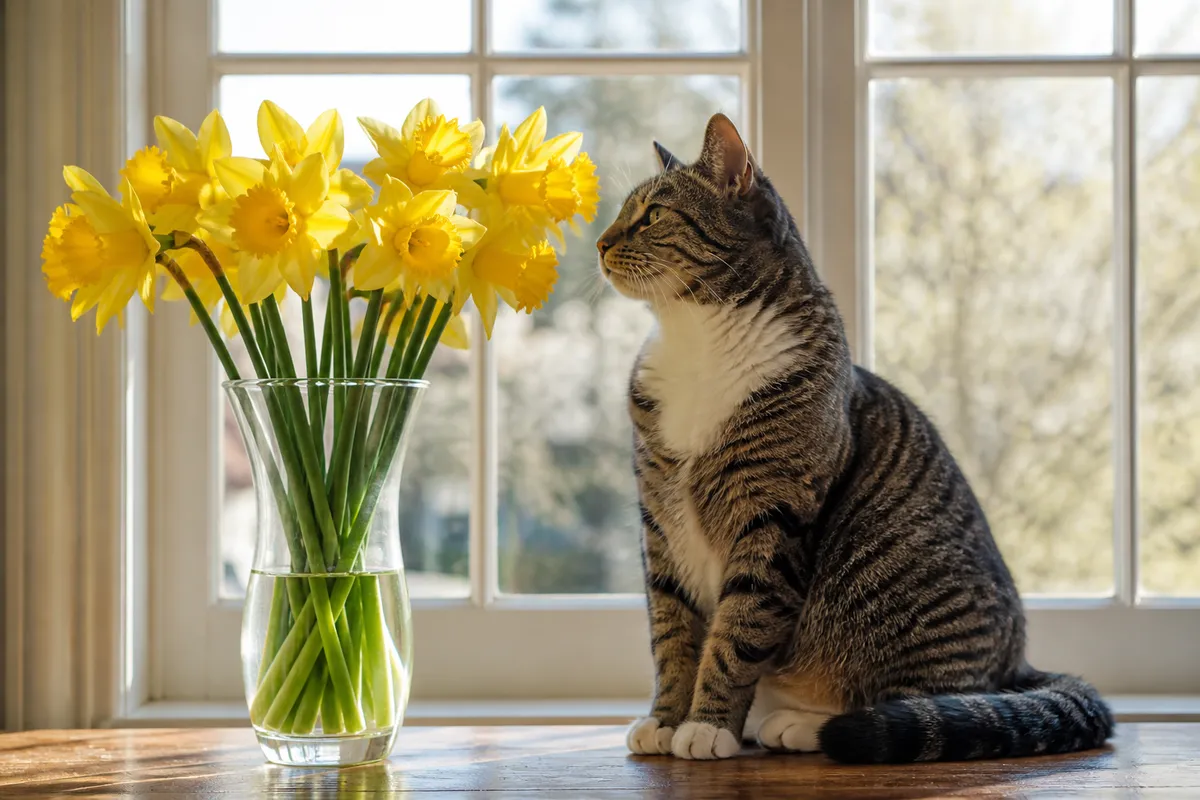
Remove the pot or vase, keep a stem, and phone your vet. Do not wait to see if they seem fine. Do not make them vomit at home. This is not a true lily, but it is not a safe harvest flower either.
What the sources say
The ASPCA chrysanthemum listing uses extra common names daisy and mum, and says there are many varieties. The family is Compositae. The toxic principles listed are sesquiterpene, lactones, pyrethrins and other potential irritants. The clinical signs listed are vomiting, diarrhea, hypersalivation, incoordination and dermatitis. We keep that list and use British spelling in our own voice.
Cats Protection's outdoor guide notes that chrysanthemum contains pyrethrin, the group of compounds also used in some dog flea treatments. That is a fact about the plant chemistry, not a claim that eating a mum equals a permethrin spot-on emergency. Dog flea products with permethrin are a separate, lethal household toxin on are flea treatments dangerous for cats. PDSA lists chrysanthemum among autumn plants to avoid. Those UK pages agree you should not bring mums into a cat home for 'harvest' colour.
Florist 'daisies' are often chrysanthemums. Gerbera daisies are a different plant and sit on safer lists. Check the Latin name. This page is Chrysanthemum. It sits in the toxic plants for cats hub next to sunflowers and carnations, because supermarket autumn bunches mix all three.
How cats meet mums
Chrysanthemums arrive as pot mums on doorsteps, cut 'spray chrysanths' in petrol-station bunches, and wreaths sold for autumn and Remembrance. They sit on hall tables. Petals and pollen drop. Cats bat the dense heads, then groom. Garden hardy chrysanthemums line paths just as the house cat starts spending more time indoors.
- Pot mums: gift plants on a doorstep or windowsill, soil and all
- Cut flowers: harvest bunches, funeral flowers and mixed 'autumn' vases
- Wreaths: dried heads on a door that still shed onto the mat
- Skin contact: the ASPCA lists dermatitis. Sap and pollen on fur, then grooming
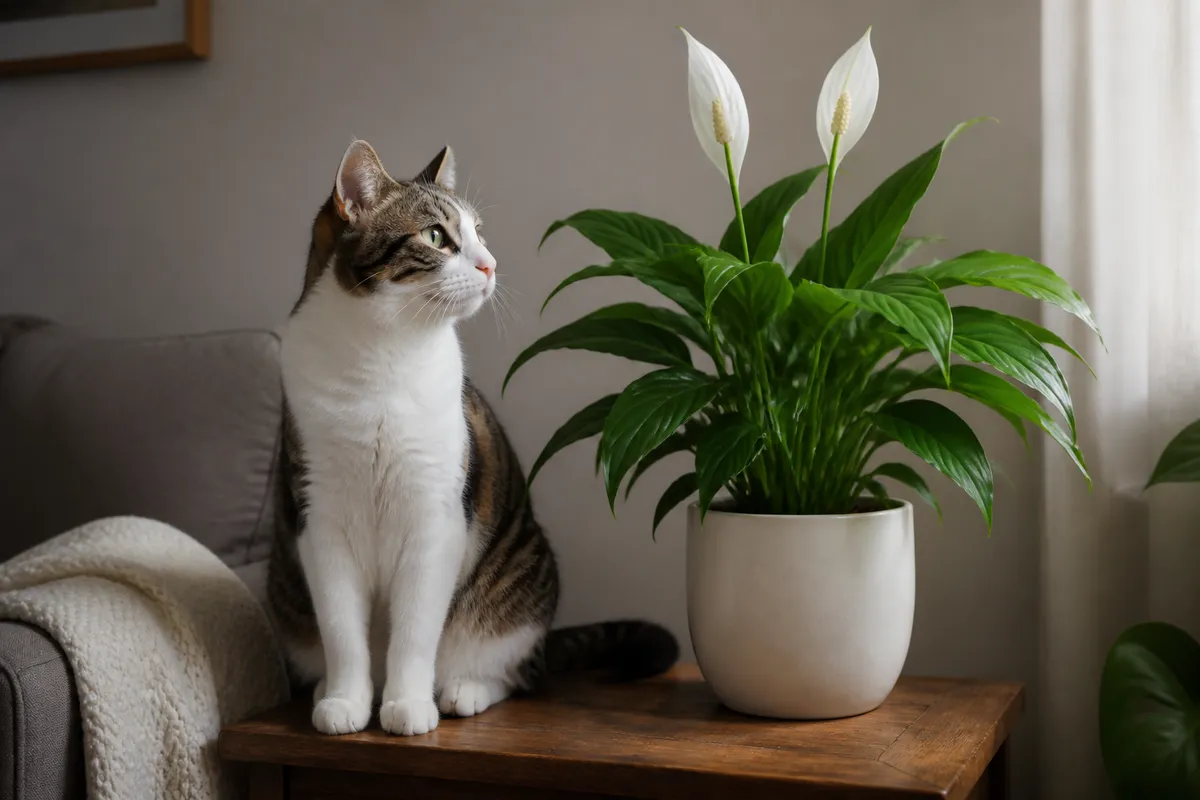
A mixed autumn bouquet can also hide lilies or berries. If you cannot name every stem, treat unknown greenery as a vet question and use Christmas plants that can harm cats for the festive version of the same job. Peace lilies are not mums: see are peace lilies toxic to cats if the white flower is a spathe, not a daisy-like head.
Signs the sources name
ASPCA's listed signs are vomiting, diarrhoea, hypersalivation, incoordination and dermatitis. Incoordination means a wobbly or uncoordinated walk. Hypersalivation is drooling. We do not invent a timed emergency clock. Watch from the first chew. Phone if you saw them eat it, and travel sooner if they are wobbly, cannot stop vomiting, or you cannot confirm the plant.
- After chewing: drooling, pawing the mouth, or rubbing a face that touched the flower
- Later the same day: vomiting, a loose tray, a wobbly walk, or irritated skin
- Call sooner if: they cannot walk straight, vomiting persists, a kitten is involved, or the bunch might hold a lily
Cross-check sudden wobbliness with cat poisoning symptoms. Collapse or a plant you cannot name is a different urgency from a known nibble of mum.
What to do, and safer autumn colour
Move the pot. Pick up petals. Wipe sap off the coat if you can do so calmly. Do not induce vomiting. Do not offer milk. Keep a stem and the shop label. Phone your vet or an out-of-hours clinic. In the UK, Animal PoisonLine can help you judge urgency. Say chrysanthemum or mum. Use what to do if your cat ate poison while you get the carrier.
There is no owner-bought antidote named on the ASPCA listing. Care is supportive. The team may check hydration, look at the skin and mouth, and decide whether anti-sickness medicine, fluids or observation are enough. Ask what to watch at home. See how vets treat cat poisoning for the shape of the visit.
Swap harvest colour for sunflowers or roses from the safer lists, and still check every stem. Indoor greenery belongs on safe indoor plants for cat owners. Scan the next doorstep pot with the cat toxin checker app. People search are chrysanthemums toxic to cats hoping autumn colour is harmless. The ASPCA answer is yes: sesquiterpene lactones, pyrethrins and other irritants, with gut signs, drooling, wobbliness and irritated skin. Keep mums out of a cat home.
Pot mums sold on doorsteps often sit on the floor for a day before anyone finds a table. That is cat-nose height. Move the gift the same hour it arrives. Keep the plastic sleeve for the name. If the only word on it is daisy, do not guess. Many florist daisies are chrysanthemums. Gerbera is the safer daisy on the lists we use, and it still needs a Latin name.
After a known mum chew, the watch is vomiting, drooling, a wobbly walk or irritated skin. Call back if they cannot walk straight or will not drink. Do not put the pot back in the hall as a test. Tell neighbours who leave doorstep flowers that mums are a problem in a cat home. Sunflowers are the autumn swap that sits on the safer lists.
Related guides
Frequently asked questions
- Are florist daisies chrysanthemums?
- Often yes. The ASPCA lists daisy as an extra common name for chrysanthemum. Gerbera daisies are a different plant. Check the Latin name.
- Does pyrethrin mean it is like a dog flea treatment?
- Cats Protection notes that chrysanthemums contain pyrethrin, a group of compounds also used in some dog flea products. That is chemistry, not a claim that a chewed mum equals a permethrin spot-on emergency. Still phone.
- What signs should I watch for?
- ASPCA lists vomiting, diarrhoea, hypersalivation, incoordination and dermatitis. Known ingestion is enough to call even before those start.
- What is a safer autumn flower?
- Sunflowers and roses sit on the safer lists used in these guides. Still check every stem in a harvest bunch.
Sources
Authoritative organisations that cover this topic. These links open their public poison-control or toxicology pages, not a specific diagnosis for your cat.