Christmas Dinner and Your Cat: Turkey Bones, Stuffing, Gravy and Mince Pies
Part of: Foods toxic to cats · Christmas cat safety
Christmas dinner is several hazards on one table: cooked turkey bones, skin and fat, onion and garlic in stuffing and gravy, raisins and currants in mince pies and pudding, chocolate, alcohol, nuts and the cheeseboard. If you are asking what happens when a cat raids Christmas dinner, the short version is to treat the plate as unknown until you have named the extras, then contact a vet. This is the festive meal page, not a repeat of each toxin guide.
If they ate from the Christmas plate, phone. Do not guess which extra it was.
Contact your vet or an out-of-hours clinic if your cat swallowed turkey bone, stuffing, gravy, mince pie, pudding, fat trimmings or a lick of alcohol. Do not give bread to wrap a bone. Do not induce vomiting. Keep packaging, a recipe card, or a photo of the plate.
Festive foods on the Christmas table
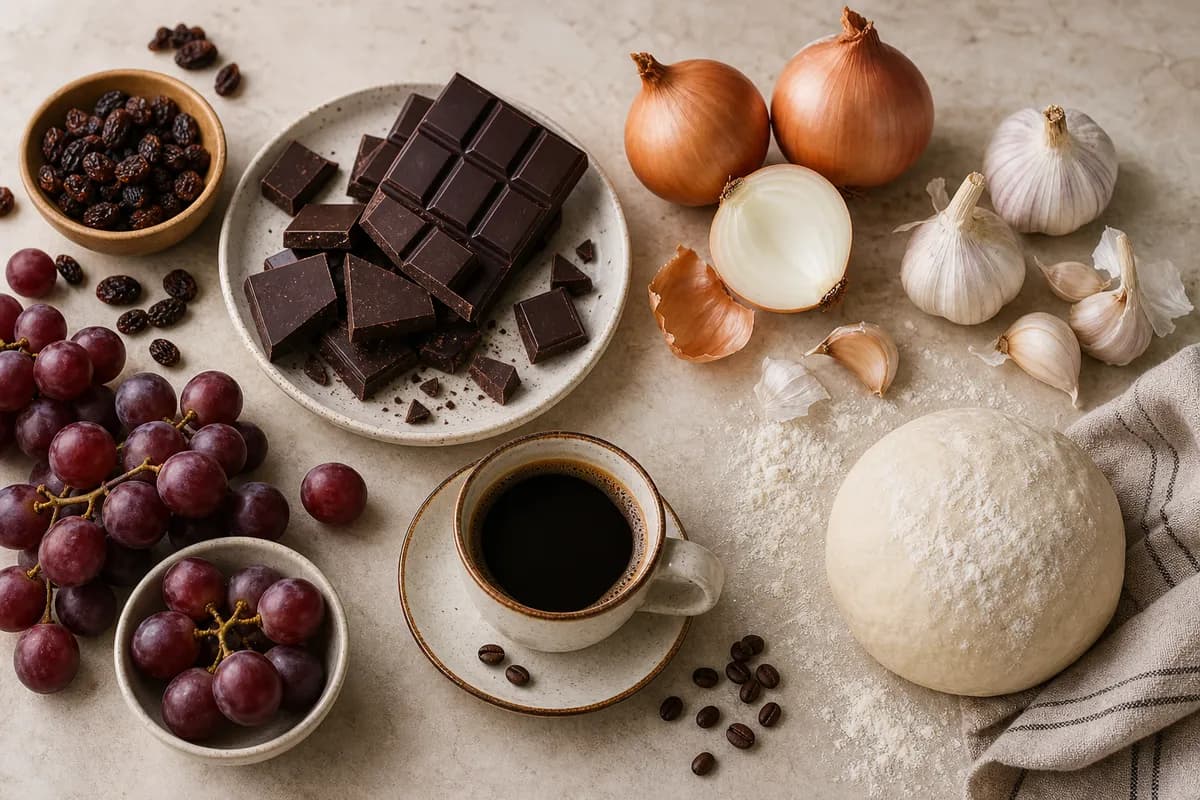
Christmas dinner is a pile of extras, not a single leftover. Cats Protection's Christmas advice flags onion and garlic whether cooked or raw, grapes and raisins even in small quantities, and chocolate even in tiny amounts. Animal PoisonLine's Christmas food list adds mince pies, Christmas pudding, Christmas cake and stollen (dried grapes), alcohol, alliums in sage and onion stuffing, casseroles and turkey curry, leftover mouldy food, and nuts. The year-round map is the foods toxic to cats hub. The seasonal map is the Christmas cat safety hub. None of those pages offers a safe nibble chart. If the cat already ate, the job is a phone call, not a home calculation.
Onion and garlic in stuffing and gravy
UK stuffing is often onion, sage and sausage meat. Gravy is often meat juices plus onion or a stock cube. Bread sauce can hide onion. Cats Protection says onion, garlic and other alliums are extremely toxic fresh, cooked or dried, and can lead to anaemia. Animal PoisonLine lists sage and onion stuffing, casseroles, turkey curry and roast vegetables, and notes that gut signs can come first while anaemia may not be apparent for several days. Cooking does not make them safe. The dedicated write-up is are onions and garlic toxic to cats. A licked roasting tin can be more allium than meat. Tell the vet stuffing or gravy, not just turkey.
Raisins, currants, mince pies and pudding
Mince pies, Christmas pudding, Christmas cake, panettone and leftover mincemeat are dried-grape products. Animal PoisonLine treats grapes, raisins, sultanas and currants as a kidney concern and tells you to keep those bakes out of reach. Cats Protection says grapes, raisins and currants can cause kidney failure in cats, and that cats with ongoing kidney disease may be at greater risk. See are grapes and raisins toxic to cats. One pie on the floor is not a wait-until-Boxing-Day experiment. Chocolate-covered raisins are two problems. Say mince pie or pudding on the call so they hear dried fruit, suet, spice and possibly alcohol together.
Turkey bones, fat, ham and cheese
Cooked bones can choke or block. Cats Protection says any chicken you offer should be cooked, preferably boiled, and must not contain bones. The same rule applies to roast turkey. ASPCA Animal Poison Control warns that bones can injure or obstruct the gut. The dedicated write-up is cooked chicken bones. Do not wrap the bone in bread. Do not put fingers down the throat. Turkey skin and fat trimmings are rich, fatty leftovers. ASPCA notes that fatty foods can cause vomiting and diarrhoea, and can lead to pancreatitis in some pets. That is not a named poison like chocolate, and it is still a reason to call if they are hunched, vomiting, or off food.
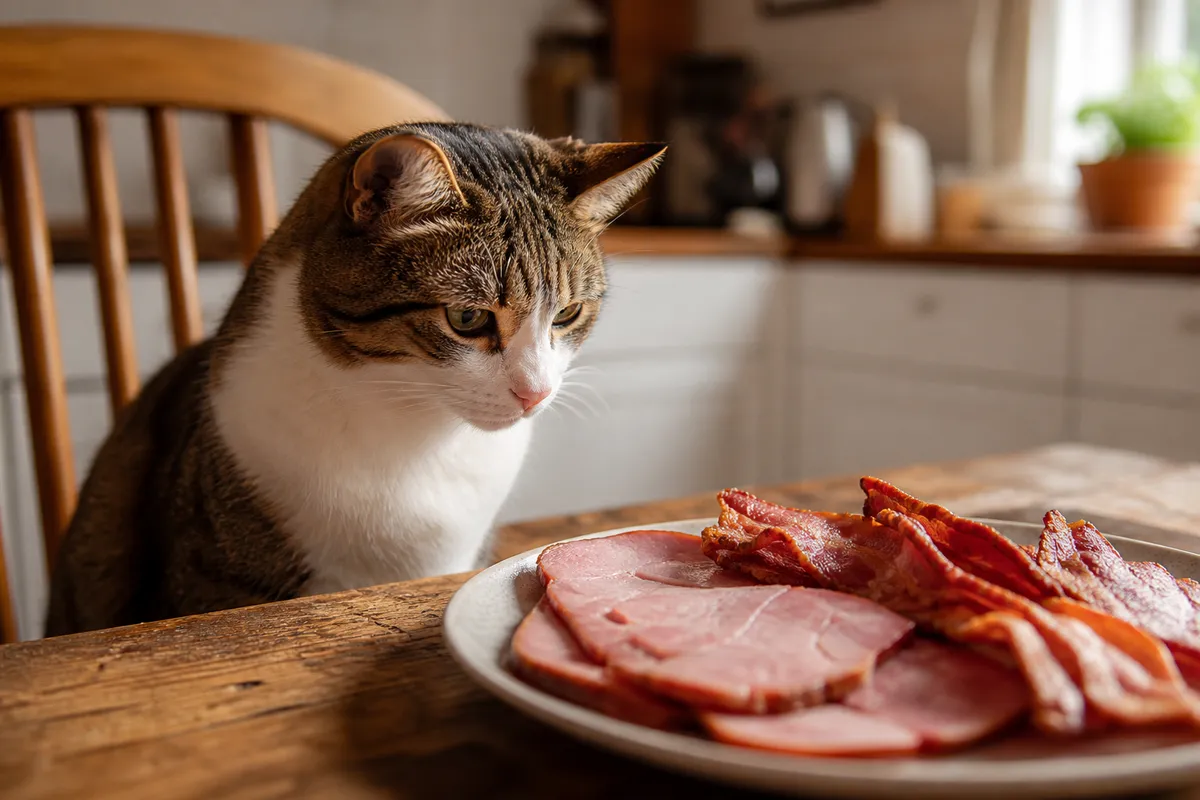
Ham and bacon on the buffet are salt, cure and fat, not a protein treat. Details sit on can cats eat ham and bacon. Cheeseboards add dairy. Cats Protection says most cats are lactose intolerant and that cheese can upset the stomach. Boards also often hold grapes or onion chutney. See can cats eat cheese. A crumb of plain meat is not the emergency. The emergency is the bone, the skin and fat, the gravy, the fruit, and the board extras.
Alcohol, desserts and leftover glasses
Brandy butter, rum sauce, trifle, liqueur chocolates and glasses left on the hearth are ethanol. Cats Protection says just a tiny bit of alcohol can be extremely toxic, including foods and household products that contain it. Animal PoisonLine lists wobbliness and drowsiness, and in severe cases a risk of low body temperature, low blood sugar and coma. The dedicated page is can cats drink alcohol. Do not let them sleep it off if you know they drank. Wobbliness after dessert is a clinic question, not a cute anecdote.
- Carving board and tin: bones, skin, stuffing and gravy in one steal
- Low coffee tables: mince pies, chocolates, leftover glasses
- Bins: carcasses, string, foil and pudding leftovers in an open caddy
- Guests: people who think a bit of turkey skin is kindness
Chocolate, nuts and the cheeseboard
Chocolate is poisonous to cats even in tiny amounts. Cats Protection says theobromine stays in the bloodstream and that you should call the vet straight away if any was eaten. Animal PoisonLine notes that cats are also at risk around advent calendars, selection boxes and yule logs, with vomiting, hyperactivity and tremors first, and heart problems in more severe cases. Darker chocolate is the bigger load. The dedicated pages are can cats eat chocolate and chocolate advent calendars and cats.
Nuts on the festive table are a fat problem for cats, not a protein treat. Cats Protection lists macadamia, almonds and walnuts among nuts that contain high amounts of oils and fats and can make a cat unwell. ASPCA Animal Poison Control likewise warns that nuts including almonds, pecans and walnuts can cause vomiting and diarrhoea, and potentially pancreatitis, because of those fats. Animal PoisonLine also flags leftover mouldy food, which can cause tremors and fits. Keep bowls, bins and the cheeseboard out of reach.
What to do, and what the vet needs
Remove the food. Shut the cat in a quiet room with water if you can do so calmly. Do not induce vomiting. Do not add oil, bread or milk. Phone the vet or out-of-hours service. If the practice is closed, go to emergency care. Animal PoisonLine can help you describe the plate while you travel. Follow what to do if your cat ate poison.
Name every extra you can: onion gravy, sage and onion stuffing, mince pie, pudding, ham fat, cheddar with chutney, a sip of wine. Timing, your cat's approximate size, and whether they are already vomiting or in pain matter more than a perfect gram weight. Use the emergency checklist. If they are collapsing, straining, crying when touched, or you know cooked bone went down, leave now.
What the vet does
The visit depends on the extras. Allium exposure can mean monitoring for delayed anaemia. Dried fruit is treated as urgent. Bone may need imaging. Ethanol is supportive care. Pancreatitis from a fat binge is painful and can mean a stay. There is no single Christmas-dinner antidote. Let the clinic sort the mix. Our overview of how vets treat cat poisoning is the shape of decontamination and fluids when a toxin is involved. A perforation is surgery, not charcoal.
A cat-safer Christmas meal
Bin the carcass in a lidded outdoor bin the same night. Cool tins go on the hob, not the table edge. Stuffing and gravy stay off the floor. Mince pies live in a tin, not on a plate at cat height. Guests get a script: no skin, no bone, no gravy, or nothing. Cats Protection does not recommend feeding cats human food as a habit. A tiny piece of unseasoned, boneless, unsauced cooked turkey is not a classic toxin, and it is still not a complete meal. If your cat has a sensitive gut, skip even that.
Boxing Day leftovers are the second sitting. The same tin in the fridge is still onion. The same pie tin on the side is still raisins. Walk the house at cat height before bed: foil, string, crackers, and the cheeseboard you forgot under a napkin. For the year-round leftover map, see foods toxic to cats, 25 human foods cats should never eat and the cat-safe kitchen.
People hope Christmas dinner is just turkey. Cats Protection, Animal PoisonLine and ASPCA Animal Poison Control keep listing the extras because that is what lands cats in clinics. If they ate from the plate, contact a vet. If you are still cooking, treat the carving board as a closed set, and put the pudding where a jumping cat cannot vote.
Related guides
Frequently asked questions
- Can cats have a bit of plain turkey?
- A small piece of unseasoned, boneless, unsauced cooked meat is not a classic toxin, but it is not a complete meal. Skip it if your cat has a sensitive gut. The emergency is bones, skin, fat, gravy, stuffing and dessert.
- Why is gravy a problem?
- UK gravy often contains onion, meat juices and stock cubes. Cats Protection says alliums are toxic fresh, cooked or dried. Animal PoisonLine notes anaemia may not show for several days. Stuffing is often onion too.
- Are mince pies really an emergency?
- They contain raisins, currants or other dried grapes. Animal PoisonLine treats those dried fruits as a kidney concern. Christmas pudding and cake are the same fruit problem.
- What about nuts and the cheeseboard?
- Cats Protection lists macadamia, almonds and walnuts as high-fat nuts that can make a cat unwell. Cheese can upset a lactose-intolerant cat, and boards often hold grapes. Call if a mixed board was raided.
- Should I wait to see if they seem fine after a bone?
- No. Bones can choke or block. Phone even if they still seem bright.
Sources
Authoritative organisations that cover this topic. These links open their public poison-control or toxicology pages, not a specific diagnosis for your cat.